Ingredients
- 2 small white onions, sliced 1/4 inch thin rounds
- 7 oz (198.45 g) shredded parmesan cheese
- 1/2 tbs olive oil
- salt, garlic powder + paprika, to taste
Instructions
- Preheat oven to 400℉. Line an 12×17 inch rimmed baking sheet with parchment paper.
Sprinkle the baking sheet with the cheese so that there is a thin even layer of cheese. - Next, line up the onion ring slices so that they are not overlapping but right next to one another. Brush tops of onion rings with olive oil. Then season the tops with salt, garlic powder and paprika. Bake for 18 minutes or until golden brown. Allow to cool for 5-10 minutes and then break apart to serve.

Ingredients
Cake
- 1 cup plus 1 1/2 tablespoons (250 grams) unsalted butter (2 sticks plus 1 1/2 tablespoons), at room temperature and cut into cubes, plus extra for greasing the pan
- 7 ounce (200 grams) dark chocolate (70% cocoa solids), chopped into 3/4-inch/2-centimeter pieces
- 1 1/2 teaspoon instant coffee granules, dissolved in 1 1/2 cups/350 milliliters boiling water
- 1 1/4 cup (250 grams) granulated sugar
- 2 large eggs, lightly beaten
- 2 teaspoon vanilla extract
- 1 3/4 cup plus 2 tablespoons (240 grams) self-rising flour *(If you can't find self-rising flour, whisk together 240 grams AP flour and 2 3/4 teaspoons baking powder.)
- 1/3 cup (30 grams) Dutch-processed cocoa powder, plus 1 1/2 teaspoons, for dusting
- 1/4 teaspoon kosher salt
Chocolate Ganache (optional)
- 7 ounce (200 grams) dark chocolate (70% cocoa solids), broken or chopped roughly into 3/4-inch/2-centimeter pieces
- 3/4 cup (180 milliliters) heavy cream
- 1 tablespoon light corn syrup
- 1 tablespoon unsalted butter, at room temperature
Espresso Cinnamon Mascarpone Cream (optional)
- 1 1/2 cup plus 1 tablespoon (375 milliliters) heavy cream
- 3/4 cup (190 grams) mascarpone
- 1/2 vanilla pod, scraped
- 2 1/2 teaspoon finely ground espresso
- 3/4 teaspoon ground cinnamon
- 2 1/2 tablespoon confectioners’ sugar
Instructions
- Heat oven to 350°F (170°C). Grease a 9-inch round springform pan with butter and line with parchment paper, then set aside.
- Make the cake: Place butter, chocolate, and hot coffee in a large heatproof bowl and mix well until everything is melted, combined and smooth. Whisk in sugar by hand until dissolved. Add eggs and vanilla extract and whisk again until thoroughly combined and smooth. Sift flour, cocoa powder, and salt together into a bowl. Whisk this into the melted chocolate mixture. The batter here is liquid, but don’t think you have missed something; this is how it should be.
- Pour batter into the prepared pan and bake for 1 hour, or until the cake is cooked and a skewer inserted into the center comes out clean or with just a few dry crumbs attached. The top will form a crust and crack a little, but don’t worry, this is expected. Leave the cake to cool for 20 minutes before removing from the pan, then set aside until completely cool.
- Make the chocolate ganache, if desired: Place chocolate pieces in a food processor; process until fine and set aside. Combine cream and corn syrup in a small pan and place over medium-high heat. As soon as bubbles begin to appear (just before it comes to a boil), remove from the heat. Get the food processor running again, with the chocolate still inside, and pour in the hot cream in a steady stream. Process for 10 seconds, then add butter. Continue to process until mixture is shiny and smooth. (You can also make the ganache by hand; just make sure the chocolate is chopped fairly finely before adding the cream mixture. Stir with a wooden spoon until almost melted, then add the butter. Stir again until the ganache is smooth.)
- Use a rubber spatula to scrape the ganache into a bowl and cover with plastic wrap, with the plastic actually touching the top of the ganache. Set aside until it has set to the consistency you want. If you want a thin layer to spread over the cake, it can be poured over while liquid so that you get an even, light and shiny coating. For a thicker ganache with a spreading consistency, leave it for about 2 hours at room temperature. (The ganache can be stored at room temperature, providing it’s not too warm, for 3 days or kept in the fridge for up to 2 weeks. It can also be frozen, although it will lose a bit of its shine when defrosted.)
- Make the espresso cinnamon mascarpone cream, if desired: Place all the ingredients in the bowl of an electric mixer fitted with the whisk attachment. Beat for 1 to 2 minutes, or until soft peaks form.
- Peel the parchment from the cake and discard. Transfer to a serving platter and spread the ganache, if using, on top of the cake. Slice into wedges, divide the cake among plates and, if using, spoon the mascarpone cream alongside. With or without icing, the cake will keep well for 4 to 5 days in an airtight container.
Ingredients
For the chocolate based version:
- 70g rice krispies / rice bubbles
- 50g desiccated coconut
- 20g powdered sugar
- 4 tsp cocoa powder (any kind is fine, I used dutch process)
- Pinch of salt
- 160g chopped chocolate (I used half milk and half dark)
- 25g refined coconut oil
For the Cocoa / Coconut Oil based version:
- 70g rice krispies / rice bubbles
- 70g powdered sugar
- 50g desiccated coconut
- 2 Tbsp Cocoa (any kind is fine, I used dutch process)
- Pinch of salt
- 125g refined coconut oil, melted
Instructions
For the chocolate based version:
- Grease an 8" (20cm) square pan and line with a piece of parchment that extends over the ends slightly to help remove the slice once set.
- In a large bowl, combine the rice bubbles, coconut, powdered sugar, cocoa powder, and salt.
- In a heatproof bowl set over a pot of simmering water (make sure the bowl does not touch the water), or in a microwave, melt the chocolate. Add the coconut oil and mix until well combined. The heat of the chocolate should be enough to melt the coconut oil, but re-warm very briefly to help incorporate if needed.
- Pour the chocolate mixture into the bowl of dry ingredients, and mix well with a spatula until well combined.
- Transfer to the prepared pan and spread out and then use an offset spatula or spoon to spread smooth.
- Refrigerate until set, about 45 minutes to an hour, then cut or break into pieces. Store in the fridge in an airtight container.
For the Cocoa / Coconut Oil based version:
- Grease an 8" (20cm) square pan and line with a piece of parchment that extends over the ends slightly to help remove the slice once set.
- In a large bowl, combine rice bubbles, powdered sugar, desiccated coconut, cocoa, and salt. Add the coconut oil and mix well to combine.
- Transfer to the prepared pan and spread out and then use an offset spatula or spoon to spread smooth.
- Refrigerate until set, about 45 minutes to an hour, then cut or break into pieces. Store in the fridge in an airtight container.
Je pense que la technique du pojagi est toute adaptée à ça.
- 45" Cotton Nuance - Medora Flora - Fairway – SewBatik
- Découvrir le pojagi : une technique de patchwork coréenne
- Reversible Patchwork | Epida Studio
- Simple method to sew a modern pojagi patchwork seam | Epida Studio
Il y a un document gratuit à récupérer pour faire des panneaux qui donnent l'effet de vitrail. Il est recommandé d'utiliser du tissu batik pour obtenir cet effet.
Mon rideau doit couvrir une surface de L43"xH36". La barre de suspension fait ½" de diamètre.
Ingredients
- 150g rice bubbles or rice krispie cereal
- 180g granulated sugar
- 180g unsalted butter, cold from the fridge is fine
- 60g honey
- ½ tsp vanilla bean paste, optional
- Pinch of salt (leave out if using salted butter)
Instructions
- Grease and line an 8" (20cm) square pan with parchment paper, leaving the parchment extending over the sides of the pan to form a sling. Secure with binder clips if desired.
- Place the rice bubbles into a large bowl.
- In a heavy bottomed saucepan, combine the sugar, butter, and honey.
- Place over medium heat and heat, stirring often with a spatula, until the butter melts and the mixture comes to a boil.
- Reduce the heat slightly and continue to cook the mixture for 2 and a half minutes, stirring with a rubber spatula.
- Remove from the heat and add the vanilla and salt and mix to combine, then pour the caramel mixture over the rice bubbles.
- Stir well until the rice bubbles are evenly coated.
- Transfer the mixture to the prepared pan and smooth down with a spatula. If you would like to get it extra flat you can take a piece of parchment paper and use it to flatten down the top surface.
- Leave the rice bubble slice to set either at room temperature or in the fridge. When it is close to being cool (after about 30 to 45 minutes), slice into pieces using a sharp knife.
- Store either in the fridge or at room temperature in an airtight container. Rice bubble slice will keep for a few days but it is best eaten in the first 1-2 days.

Ingredients
- Scallions ½ lb, well washed & trimmed
- Coarse Pickling Salt generous 3/4 cup
Instructions
- Finely slice the scallions crosswise with a sharp chef’s knife or other large knife. Transfer them to a large ceramic or glass bowl and add about one third of the salt, to cover them completely. Use your hands (my preference) or a wooden spoon to mix the scallions thoroughly with the salt, kneading them a little. The green parts of the scallion will look as if they are well speckled with white crystals. Then add another one third of the salt and mix again very thoroughly. Set aside overnight to let the salt do its work of pulling moisture out of the scallions.
- The next morning you’ll see some liquid at the bottom of the bowl, a salty brine, and the volume of scallions will have shrunk a little. Add the remaining salt and mix well, so that once more the scallion greens look dotted with white crystals.
- Transfer the mixture and its liquid to one or more clean glass jars, packing it in, seal with the lids, and label clearly. Store in a cool place, out of the sun. The flavours will fade after about 1 year.


Ingredienti
- 500g farina tipo 0 (forza W350 o almeno 13g di proteine)
- 500g acqua fredda (100% idratazione)
- 3g lievito di birra secco (o 5g fresco)
- 12g sale
- 20g olio extravergine d’oliva
Procedimento
- Sciogli il lievito e il sale nell’acqua, poi aggiungi la farina. Mescola fino a ottenere un impasto grezzo.
- Dopo 20 min, aggiungi l’olio e fai delle pieghe in ciotola fino a renderlo liscio.
- Copri e lascia riposare 30 min, ripeti le pieghe(3 pieghe tot ogni 30 min).
- Trasferisci in frigo per 12–24 ore.
- Riporta a temperatura ambiente, versa in teglia ben oliata e fai lievitare ancora 2 ore.
- Aggiungi i pomodorini, olio, sale grosso e origano. Inforna a 230°C per circa 20–25 min (fino a doratura).
- Lascia intiepidire e… goditi questa nuvola! 🤌
Ingrédients
- 500g de chocolat
- 450g de beurre
- 650g de sucre
- 650g d’œufs (environ 13 œufs)
- 200g de farine
Instructions
- On commence par faire fondre notre beurre.
- Pendant ce temps, on mélange le sucre, la farine, et on ajoute les œufs.
- Une fois que le beurre est bien fondu et chaud, on le verse dans le chocolat.
- On mélange jusqu’à ce que le chocolat soit complètement fondu.
- On verse le chocolat et le beurre dans le mélange.
- On poche la pâte directement dans des moules individuels.
- L’astuce, c’est que ça tu vas pouvoir le conserver dans ton frigo facilement 15 jours et les cuire quand tu veux pour le goûter des enfants.
- Cuisson : 10 minutes, 170 degrés Celsius.
Moins vous cuisez, plus ça sera moelleux au milieu. Voir coulant.
Si tu veux un cœur ultra coulant : 8 minutes.
Si tu veux moelleux partout : 12 minutes.
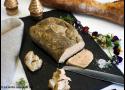
Ingrédients
- Un foie gras de qualité éveiné ou non
- gros sel 1 ou 2 kg
- poivre
- 4 épices
- sucre
- sel fin
- porto ou autre alcool type armagnac, pineau
- gaze ou compresses
Instructions
- Éveiner le foie si ce n’est déja fait et le reconstituer.
- Saupoudrer le foie d'une pincée de 4 épices et d'un peu de sucre en poudre, salez le normalement
- L’entourer de 2 couches de gaze ( faire attention à ce qu’il soit bien enfermé dans la gaze )
- Déposer un lit de gros sel dans un récipient, poser le foie gras dessus et recouvrir totalement de gros sel. Réserver au frais 15h pour un foie de 500 gr mi-cuit.
- Ôter le foie du sel et ôter la gaze
- Saupoudrer le foie de beaucoup de poivre moulu.
- Imprégner un peu de gaze de 2 à 3 cuillères à soupe d’alcool et emballer à nouveau le foie avec.
- Rouler le tout dans un torchon propre et bien serré et laisser reposer 24 à 48 h avant dégustation.
Notes : Il faut compter deux heures de " cuisson" au sel pour 100g de foie. 12h pour un foie de 600g, 14h pour un foie de 700g, etc...

Today, I have the pleasure of talking about one of my most favorite things in the world…interfacing! This post will be concentrated on the particular Pellon Interfacings that I use while making bags. Interfacing makes up 25% of my stash…no lie! It’s one of those things that you just need to have on hand at all times, because you’ll use it in most any project – to make quilted items, bags, garments, you name it
| Pellon Interfacing | Vilene Conversion |
|---|---|
| 987F Fusible Fleece | H630 Iron On Lightweight Fleece |
| TP971F Fusible Thermolam | H640 Iron On High Loft Fleece or 272 Thermolam |
| SF-101 Shape Flex Fusible Woven | G700 Woven Fusible |
| 520 Deco-Fuse Firm | S520 Firm Interlining |
| 70 Peltex Sew-in | S80 Heavy Sew-in |
| 71F Peltex Single-sided Fusible | S520 Firm Iron-on |
| 809 Decor Bond | H250 Iron-on |
I assembled this chart with the help of the lovely folks at Pellon.
Edit 10/01/14 – Pellon is now widely available in Australia under the Legacy brand. Many of the names and item numbers are the same, with one small change (for example, Fusible Fleece under the Legacy brand has number L-987F, so basically they are just adding an ‘L’ in front of the original Pellon number). The main change is that Decor Bond under the Legacy brand is L-809 Fuse-N-Shade).
So let’s get started! Note: always use a pressing cloth when fusing your interfacing to fabric! Pellon interfacing is also available in boxes of product, usually around 2-3 yards per box. You can see examples of boxed interfacing in my photo above; most specialty quilt shops will stock the packaged interfacing!
Pellon 987F Fusible Fleece
Pellon 987F Fusible Fleece can be found by-the-yard at your local fabric store packaged on a bolt with a pale green label on it. It is fusible on one side, which means you can feel the ‘glue’ on one side, and this is the side that should go against the wrong side of your fabric. This interfacing has a bit of a loft to it. I like using it, but usually reserve it for either the lining of a bag (to add extra body), for straps (so that they are padded, but without any extra bulk), for small flaps, etc. I don’t often use it for the exterior of a bag because I have found that over a large area, it can possibly make the fabric look slightly crinkly because of the loft of the fleece.
One way that you can smooth out your fabric when using fusible fleece is to first fuse a layer of Shape Flex (which I’ll talk about later) to the fabric, then follow it with a layer of fusible fleece.
Another great use for fusible fleece is that you can cut small squares of it (approximately 2″ x 2″) to reinforce a magnetic snap that you might be using in your bag. Every time you open and close a magnetic snap, it puts pressure on your fabric. To resist against everyday wear-and-tear, slide the prongs of your snap through your fabric, and then put the square of fleece on top before you close the prongs. You shouldn’t have any worries about your fabric tearing under the strain of the magnetic snap now!
Pellon TP971F Fusible Thermolam
I absolutely love Thermolam. It also comes on a bolt with a light green label on it. It is also fusible on one side, so the tacky side should go against the wrong side of the fabric. Thermolam is fleece, but it is a needled fleece, which means it is denser and lies flat. It has a ton of uses. If I’m making a smaller quilted project like a mini quilt, mug rug, or oven mitts, I use Thermolam before I quilt the project. It eliminates the need for using pins or spray baster.
But this article is for bag-making. When I’m making a bag or other accessory, I like it to have body. Even if I was making a simple tote bag, I would not be happy if it was just 2 layers of fabric. Just too thin for me. I know it boils down to personal preference, but if I make a bag, I want it to be able to carry 20lb. without tearing at the bottom. It needs to feel like it has some substance to it.
So, if I am making a soft bag, I always always use Thermolam. I would, say, use the Thermolam fused to the exterior fabric of the bag, and possibly either Shape Flex or fusible fleece fused to the lining fabric of the bag. Thermolam, once fused, will make your fabric look nice and smooth. Depending on your iron, you might need to fuse it for a little bit longer than the manufacturer instructions (I’d suggest testing on a small piece first if you’ve never used it before). I find I sometimes need to iron it up to double the time as directed. Another personal tip is that I like to iron it (misting with a bit of water) with the interfacing side toward my iron, and when I’m sure it’s properly fused, I like to flip it over and iron on top of the fabric (with my pressing cloth in place, of course!). This will give your fabric an incredibly flat and smooth look.
Pellon SF-101 Shape Flex Fusible Woven
I use this in 100% of my bags. I might use it in different ways, but bar none, it is the most important interfacing in my stash. I fuse Shape Flex to every single pocket that I make. I fuse it to facings in garments. I for sure fuse it to an area around a zipper to help reinforce that area. You can find this interfacing in your local shop with a light purple label on the bolt.
Shape Flex will make a quilt-weight cotton have the feel, once fused, of a decor-weight or canvas-weight fabric. It will give the fabric a bit of sturdiness. As with the previous interfacings, the rough tacky side should go against the wrong side of your fabric before ironing. It is perfect as a stand-alone interfacing if you are making a small pouch or other smaller accessory. You can even combine it with other interfacings. Someone asked me the other day what is the most interfacing I have used on one piece of fabric, and the answer is 3. I like to experiment a lot, and there is no right or wrong answer. I might use a layer of Shape Flex, one of Thermolam, and another of 520. I get a little crazy sometimes.
520 Deco-Fuse Firm
Although this interfacing is great, it is not widely available (I believe you can get it at Hancocks and on their site on-line). If you are looking to make a very stiff bag, then this is the interfacing for you. Even though it is very stiff, it is about as thick as a piece of construction paper, which makes it reasonably easy to sew. Another good thing about this interfacing is that once it is fused, it never has that ‘fused’ look. So your fabric will look nice and smooth. It also holds a finger press, so I usually never have to iron any seams, I just use my fingers.
As with any stiff interfacing, it can be tricky to maneuver your bag through your sewing machine. I would strongly suggest cutting this interfacing 1/2″ smaller than your fabric pieces, in order to reduce bulk in the seam allowance. I say sew slowly, and come up with creative ways to get the stitching done. For instance, if you have to sew half a line of stitching, stop, feed the bag in from the opposite side to continue stitching, do that. Honestly, no one is going to see the wrong side of your bag, so it doesn’t have to be the prettiest stitching in the world (in my opinion).
520 Deco-Fuse is a great way to get a store-bought look to your bags. However, I think that Peltex #70 sew-in interfacing is a perfect substitute (see below).
Peltex 70 Sew-in
This interfacing is a little bit thicker than the 520 Deco-Fuse, and it is stiff as well. It comes on a bolt with a yellow label. Because it is a sew-in interfacing, it will not fuse to your fabric. You can either baste the interfacing to your fabric using a small seam allowance, OR (and this is my favorite method)…you can cut a piece of Shape Flex that is the same size as your pattern piece. Then cut a piece of Peltex sew-in from your pattern piece, but trim it 1/2″ smaller all the way around. Center the Peltex sew-in on the wrong side of your fabric, then place the fusible side of your Shape Flex on top. When you fuse the Shape Flex, it will seal the Peltex sew-in along the 1/2″ edges against your fabric. Having a smaller piece of Peltex sew-in will also help to reduce the bulk in your seam allowance.
The bottom of my Aeroplane Bags sewing pattern, pictured above, has Peltex in it (the small printed panel on the bottom of the bag). Since the bag was designed to carry a weekend’s worth of clothing or a featherweight sewing machine, I thought it was a necessity to have the bottom panel be extra-strong.
Another great reason to have some Peltex #70 around is for bag handle inserts. Some sewing patterns for bags call for you to create sort of a double-bias piece for each handle, meaning that your raw edges would not be exposed. I cut a strip of 1-1/2″ wide Peltex #70 for each of the handles in the bag below, and slide them into each handle piece before topstitching along each long edge. It makes the handles very stable. I’ve also used fusible fleece and Thermolam as handle inserts before. I suppose it just depends on what look you’re going for, but any will work.
Peltex 71 Single-sided Fusible
This interfacing is great when you want to fuse a small area of a project (such as the flap of a bag or clutch), but I find that sometimes when you are using it on a larger area of a project (for example, the exterior of a bag), it *can* give the fabric a ‘fused’ (aka crinkly) look.
It is a stiff interfacing like the Peltex Sew-in and the 520 Deco-Fuse. If you need a heavy/stiff interfacing that you’d like to fuse, I’d recommend the Peltex Sew-in.
809 Decor Bond
I began using this interfacing quite a bit, late last year. If there are panels or handles of a bag that you would like to give a stiff appearance to, but not want to look crinkly if you happen to fold or crease them, this is the interfacing for you.
Actually, I use this interfacing in 2 layers. I will first fuse a layer of Shape Flex against the wrong side of my fabric, and then follow up with 2 layers of Decor Bond. However, the Decor Bond I will cut approximately 1/2″ small on all sides of the particular pattern piece, to keep bulk out of the seam allowance. The yellow bag above was made using this method; the green solid panels only had the Decor Bond layers, in order to help that top panel stand up firmly.
You can also use a layer or two of Decor Bond if you want your bag to stand up by itself, but not be as stiff as Deco Shape or Peltex.
Psssttt! Did you know that if you don’t have any interfacing handy, Pellon Wonder Under (a fusible web) will turn any fabric into a fusible interfacing? For example, you can use Pellon Nature’s Touch or Warm and Natural batting in place of Pellon Thermolam, or another quilting cotton in place of Pellon Shape Flex. How’s that!!
I hope this article has shed a little bit of light on bag interfacing. I know it’s something that we don’t talk about a lot, but we probably should, because it’s one of the things that sewers can find confusing, and I get asked a lot of questions about it!
By Annie’s Soft and Stable
Also, another favorite interfacing that I started using in 2013 and use in just about every bag is By Annie’s Soft and Stable. It is my heavy favorite, and if you notice the bag patterns in my shop, you’ll see that they were all made using Soft and Stable. I invite you to read my separate blog post about Soft and Stable, and check out the video that I shot:
Many sewing patterns only name interfacing in generic terms: light-midweight interfacing, heavyweight interfacing, etc. That can make it sort of difficult to navigate. To generalize, I would say, in my opinion, that for a light-midweight notation, you can use Shape Flex, fusible fleece, or Thermolam. Heavyweight or stiff interfacing would be either of the Peltex or the Pellon 520 (possibly 2 layers of Decor Bond). Again, others might have different opinions on this.
I have washed bags made out of just about every interfacing. You can do it, some just look a bit more wrinkly than others (bring out the iron!). I’m not really a big fan of washing my bags, though, so I wouldn’t do it unless you had some sort of emergency (like grape juice).
There are no right or wrong answers to using interfacing. I find that the best way to learn more about it is to use it in all of your projects…tweak your interfacing based on your personal preference: what kind of shape are you interested in, how much stiffness, what kind of body.
Feel free to ask any specific questions about interfacing in the comments! I will answer! If you are working with a certain pattern, feel free to let me know if you’re confused on what interfacing to use, and I’ll be glad to help you navigate the waters!
Ingredients
- 1 pound of diced leg of mutton or lamb
- 1/2 cup of rendered sheep fat
- 1/2 teaspoon of salt
- 1 cup of beer
- 1/2 cup of water
- 1 small onion, chopped
- 1 cup of chopped arugula
- 1 cup of Persian shallots or spring onions
- 1/2 cup of chopped fresh cilantro
- 1 teaspoon of cumin
- 1 pound of fresh red beets, peeled and diced
- 1/2 cup of chopped leek
- 2 cloves of garlic
For the garnish
- 2 teaspoons of dry coriander seed
- 1/2 cup of finely chopped cilantro
- 1/2 cup of finely chopped kurrat or ramps/wild leek
Instructions
- Heat the fat in a pot wide enough for the diced lamb to spread in one layer.
- Add lamb and sear on high heat until all moisture evaporates.
- Fold in the onion, and keep cooking until it is almost transparent.
- Fold in red beet, arugula, cilantro, Persian shallots and cumin. Keep on folding until the moisture evaporates and ingredients emit a pleasant aroma.
- Pour in the beer. Add water. Give the pot a light stir. Bring the pot to a boil.
- Reduce heat and add leek and garlic that you crush in a mortar.
- Let the stew simmer until the sauce thickens after about an hour.
- Chop kurrat and fresh cilantro and pound it into a paste using a mortar.
- Ladle the stew into plates and sprinkle with dry coriander seed and the kurrat and cilantro paste. The dish can be served with steamed bulgur and naan-bread.

- Laugavegur Trail, Iceland
- Overland Track, Tasmania
- Annapurna Circuit, Nepal
- Mount Meru Trek, Tanzania
- Kumano Kodo, Japan
- Nahuel Huapi National Park Traverse, Argentina
- Jotunheimen National Park Historic Route, Norway
- Tongariro Northern Circuit, New Zealand
- The Walker’s Haute Route, France and Switzerland
- Sunshine Coast Trail, Canada
- The O Circuit, Chile
- Triglav National Park Traverse, Slovenia Mountain Trail, Slovenia
- Sneffels Traverse, Colorado

J'aime particulièrement sont Moaï


Ingrédients
Crème au chocolat
- 480 g lait demi écrémé
- 120 g crème liquide entière 30%mg
- 15 g sucre cassonade
- 30 g maïzena
- 90 g chocolat noir pâtissier à 65-70% cacao
- 70 g chocolat au lait pâtissier
Chantilly mascarpone
- 200 g crème liquide entière 30%mg très froide
- 100 g mascarpone très froid
- 25 g sucre glace
- 0,5 cc extrait naturel de vanille
Préparation
Crème au chocolat
- Dans un bol, verser la maïzena. Délayer en ajoutant 150g de lait petit à petit en fouettant bien pour ne plus avoir de grumeaux.
- Dans une casserole, verser le reste de lait (330g), la crème liquide et le sucre cassonade. Commencer à chauffer à feu doux.
- Ajouter rapidement la maïzena délayée. Continuer de fouetter tout en chauffant le mélange.
- Avant ébullition (ne pas chauffer trop fort), ajouter le chocolat noir et le chocolat au lait en morceaux pour qu'il fonde. Ne pas cesser de fouetter jusqu'à ce que le crème se forme, environ 4-5 minutes à feu doux.
- Verser le mélange dans un verre doseur puis dans 4 verres à dessert en les remplissant aux 3/4 pas plus (vous pourrez peut-être faire plus de verres selon leur taille).
- Laisser tiédir puis placer au réfrigérateur 2 heures.
Chantilly mascarpone
- Dans un large récipient ou bol du robot, verser la crème liquide très froide, le mascarpone, le sucre glace et la vanille. Commencer à fouetter vitesse moyenne jusqu'à ce que la chantilly se forme. Une fois que la chantilly se forme, bien lisse, elle est prête. Ne pas insister au risque qu'elle graine.
- Verser la chantilly dans une poche à douille munie d'un gros embout cannelé (voir matériel ci-dessus). Placer la poche à douille au dessus de la crème au chocolat froide. Dessiner un cercle de l'extérieur vers l'intérieur du verre, en faisant plusieurs tours pour créer un joli dôme de chantilly.
- Râper quelques copeaux de chocolat gratter la tranche d'une tablette de chocolat à l'aide d'un économe. Déposer les copeaux sur la chantilly.
- Garder les verres au réfrigérateur jusqu'à dégustation.