Ingredients
- 2 small white onions, sliced 1/4 inch thin rounds
- 7 oz (198.45 g) shredded parmesan cheese
- 1/2 tbs olive oil
- salt, garlic powder + paprika, to taste
Instructions
- Preheat oven to 400℉. Line an 12×17 inch rimmed baking sheet with parchment paper.
Sprinkle the baking sheet with the cheese so that there is a thin even layer of cheese. - Next, line up the onion ring slices so that they are not overlapping but right next to one another. Brush tops of onion rings with olive oil. Then season the tops with salt, garlic powder and paprika. Bake for 18 minutes or until golden brown. Allow to cool for 5-10 minutes and then break apart to serve.

Ingredients
Cake
- 1 cup plus 1 1/2 tablespoons (250 grams) unsalted butter (2 sticks plus 1 1/2 tablespoons), at room temperature and cut into cubes, plus extra for greasing the pan
- 7 ounce (200 grams) dark chocolate (70% cocoa solids), chopped into 3/4-inch/2-centimeter pieces
- 1 1/2 teaspoon instant coffee granules, dissolved in 1 1/2 cups/350 milliliters boiling water
- 1 1/4 cup (250 grams) granulated sugar
- 2 large eggs, lightly beaten
- 2 teaspoon vanilla extract
- 1 3/4 cup plus 2 tablespoons (240 grams) self-rising flour *(If you can't find self-rising flour, whisk together 240 grams AP flour and 2 3/4 teaspoons baking powder.)
- 1/3 cup (30 grams) Dutch-processed cocoa powder, plus 1 1/2 teaspoons, for dusting
- 1/4 teaspoon kosher salt
Chocolate Ganache (optional)
- 7 ounce (200 grams) dark chocolate (70% cocoa solids), broken or chopped roughly into 3/4-inch/2-centimeter pieces
- 3/4 cup (180 milliliters) heavy cream
- 1 tablespoon light corn syrup
- 1 tablespoon unsalted butter, at room temperature
Espresso Cinnamon Mascarpone Cream (optional)
- 1 1/2 cup plus 1 tablespoon (375 milliliters) heavy cream
- 3/4 cup (190 grams) mascarpone
- 1/2 vanilla pod, scraped
- 2 1/2 teaspoon finely ground espresso
- 3/4 teaspoon ground cinnamon
- 2 1/2 tablespoon confectioners’ sugar
Instructions
- Heat oven to 350°F (170°C). Grease a 9-inch round springform pan with butter and line with parchment paper, then set aside.
- Make the cake: Place butter, chocolate, and hot coffee in a large heatproof bowl and mix well until everything is melted, combined and smooth. Whisk in sugar by hand until dissolved. Add eggs and vanilla extract and whisk again until thoroughly combined and smooth. Sift flour, cocoa powder, and salt together into a bowl. Whisk this into the melted chocolate mixture. The batter here is liquid, but don’t think you have missed something; this is how it should be.
- Pour batter into the prepared pan and bake for 1 hour, or until the cake is cooked and a skewer inserted into the center comes out clean or with just a few dry crumbs attached. The top will form a crust and crack a little, but don’t worry, this is expected. Leave the cake to cool for 20 minutes before removing from the pan, then set aside until completely cool.
- Make the chocolate ganache, if desired: Place chocolate pieces in a food processor; process until fine and set aside. Combine cream and corn syrup in a small pan and place over medium-high heat. As soon as bubbles begin to appear (just before it comes to a boil), remove from the heat. Get the food processor running again, with the chocolate still inside, and pour in the hot cream in a steady stream. Process for 10 seconds, then add butter. Continue to process until mixture is shiny and smooth. (You can also make the ganache by hand; just make sure the chocolate is chopped fairly finely before adding the cream mixture. Stir with a wooden spoon until almost melted, then add the butter. Stir again until the ganache is smooth.)
- Use a rubber spatula to scrape the ganache into a bowl and cover with plastic wrap, with the plastic actually touching the top of the ganache. Set aside until it has set to the consistency you want. If you want a thin layer to spread over the cake, it can be poured over while liquid so that you get an even, light and shiny coating. For a thicker ganache with a spreading consistency, leave it for about 2 hours at room temperature. (The ganache can be stored at room temperature, providing it’s not too warm, for 3 days or kept in the fridge for up to 2 weeks. It can also be frozen, although it will lose a bit of its shine when defrosted.)
- Make the espresso cinnamon mascarpone cream, if desired: Place all the ingredients in the bowl of an electric mixer fitted with the whisk attachment. Beat for 1 to 2 minutes, or until soft peaks form.
- Peel the parchment from the cake and discard. Transfer to a serving platter and spread the ganache, if using, on top of the cake. Slice into wedges, divide the cake among plates and, if using, spoon the mascarpone cream alongside. With or without icing, the cake will keep well for 4 to 5 days in an airtight container.
Ingredients
For the chocolate based version:
- 70g rice krispies / rice bubbles
- 50g desiccated coconut
- 20g powdered sugar
- 4 tsp cocoa powder (any kind is fine, I used dutch process)
- Pinch of salt
- 160g chopped chocolate (I used half milk and half dark)
- 25g refined coconut oil
For the Cocoa / Coconut Oil based version:
- 70g rice krispies / rice bubbles
- 70g powdered sugar
- 50g desiccated coconut
- 2 Tbsp Cocoa (any kind is fine, I used dutch process)
- Pinch of salt
- 125g refined coconut oil, melted
Instructions
For the chocolate based version:
- Grease an 8" (20cm) square pan and line with a piece of parchment that extends over the ends slightly to help remove the slice once set.
- In a large bowl, combine the rice bubbles, coconut, powdered sugar, cocoa powder, and salt.
- In a heatproof bowl set over a pot of simmering water (make sure the bowl does not touch the water), or in a microwave, melt the chocolate. Add the coconut oil and mix until well combined. The heat of the chocolate should be enough to melt the coconut oil, but re-warm very briefly to help incorporate if needed.
- Pour the chocolate mixture into the bowl of dry ingredients, and mix well with a spatula until well combined.
- Transfer to the prepared pan and spread out and then use an offset spatula or spoon to spread smooth.
- Refrigerate until set, about 45 minutes to an hour, then cut or break into pieces. Store in the fridge in an airtight container.
For the Cocoa / Coconut Oil based version:
- Grease an 8" (20cm) square pan and line with a piece of parchment that extends over the ends slightly to help remove the slice once set.
- In a large bowl, combine rice bubbles, powdered sugar, desiccated coconut, cocoa, and salt. Add the coconut oil and mix well to combine.
- Transfer to the prepared pan and spread out and then use an offset spatula or spoon to spread smooth.
- Refrigerate until set, about 45 minutes to an hour, then cut or break into pieces. Store in the fridge in an airtight container.
Je pense que la technique du pojagi est toute adaptée à ça.
- 45" Cotton Nuance - Medora Flora - Fairway – SewBatik
- Découvrir le pojagi : une technique de patchwork coréenne
- Reversible Patchwork | Epida Studio
- Simple method to sew a modern pojagi patchwork seam | Epida Studio
Il y a un document gratuit à récupérer pour faire des panneaux qui donnent l'effet de vitrail. Il est recommandé d'utiliser du tissu batik pour obtenir cet effet.
Mon rideau doit couvrir une surface de L43"xH36". La barre de suspension fait ½" de diamètre.
Ingredients
- 150g rice bubbles or rice krispie cereal
- 180g granulated sugar
- 180g unsalted butter, cold from the fridge is fine
- 60g honey
- ½ tsp vanilla bean paste, optional
- Pinch of salt (leave out if using salted butter)
Instructions
- Grease and line an 8" (20cm) square pan with parchment paper, leaving the parchment extending over the sides of the pan to form a sling. Secure with binder clips if desired.
- Place the rice bubbles into a large bowl.
- In a heavy bottomed saucepan, combine the sugar, butter, and honey.
- Place over medium heat and heat, stirring often with a spatula, until the butter melts and the mixture comes to a boil.
- Reduce the heat slightly and continue to cook the mixture for 2 and a half minutes, stirring with a rubber spatula.
- Remove from the heat and add the vanilla and salt and mix to combine, then pour the caramel mixture over the rice bubbles.
- Stir well until the rice bubbles are evenly coated.
- Transfer the mixture to the prepared pan and smooth down with a spatula. If you would like to get it extra flat you can take a piece of parchment paper and use it to flatten down the top surface.
- Leave the rice bubble slice to set either at room temperature or in the fridge. When it is close to being cool (after about 30 to 45 minutes), slice into pieces using a sharp knife.
- Store either in the fridge or at room temperature in an airtight container. Rice bubble slice will keep for a few days but it is best eaten in the first 1-2 days.

Ingredients
- Scallions ½ lb, well washed & trimmed
- Coarse Pickling Salt generous 3/4 cup
Instructions
- Finely slice the scallions crosswise with a sharp chef’s knife or other large knife. Transfer them to a large ceramic or glass bowl and add about one third of the salt, to cover them completely. Use your hands (my preference) or a wooden spoon to mix the scallions thoroughly with the salt, kneading them a little. The green parts of the scallion will look as if they are well speckled with white crystals. Then add another one third of the salt and mix again very thoroughly. Set aside overnight to let the salt do its work of pulling moisture out of the scallions.
- The next morning you’ll see some liquid at the bottom of the bowl, a salty brine, and the volume of scallions will have shrunk a little. Add the remaining salt and mix well, so that once more the scallion greens look dotted with white crystals.
- Transfer the mixture and its liquid to one or more clean glass jars, packing it in, seal with the lids, and label clearly. Store in a cool place, out of the sun. The flavours will fade after about 1 year.


Ingredienti
- 500g farina tipo 0 (forza W350 o almeno 13g di proteine)
- 500g acqua fredda (100% idratazione)
- 3g lievito di birra secco (o 5g fresco)
- 12g sale
- 20g olio extravergine d’oliva
Procedimento
- Sciogli il lievito e il sale nell’acqua, poi aggiungi la farina. Mescola fino a ottenere un impasto grezzo.
- Dopo 20 min, aggiungi l’olio e fai delle pieghe in ciotola fino a renderlo liscio.
- Copri e lascia riposare 30 min, ripeti le pieghe(3 pieghe tot ogni 30 min).
- Trasferisci in frigo per 12–24 ore.
- Riporta a temperatura ambiente, versa in teglia ben oliata e fai lievitare ancora 2 ore.
- Aggiungi i pomodorini, olio, sale grosso e origano. Inforna a 230°C per circa 20–25 min (fino a doratura).
- Lascia intiepidire e… goditi questa nuvola! 🤌
Ingrédients
- 500g de chocolat
- 450g de beurre
- 650g de sucre
- 650g d’œufs (environ 13 œufs)
- 200g de farine
Instructions
- On commence par faire fondre notre beurre.
- Pendant ce temps, on mélange le sucre, la farine, et on ajoute les œufs.
- Une fois que le beurre est bien fondu et chaud, on le verse dans le chocolat.
- On mélange jusqu’à ce que le chocolat soit complètement fondu.
- On verse le chocolat et le beurre dans le mélange.
- On poche la pâte directement dans des moules individuels.
- L’astuce, c’est que ça tu vas pouvoir le conserver dans ton frigo facilement 15 jours et les cuire quand tu veux pour le goûter des enfants.
- Cuisson : 10 minutes, 170 degrés Celsius.
Moins vous cuisez, plus ça sera moelleux au milieu. Voir coulant.
Si tu veux un cœur ultra coulant : 8 minutes.
Si tu veux moelleux partout : 12 minutes.
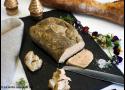
Ingrédients
- Un foie gras de qualité éveiné ou non
- gros sel 1 ou 2 kg
- poivre
- 4 épices
- sucre
- sel fin
- porto ou autre alcool type armagnac, pineau
- gaze ou compresses
Instructions
- Éveiner le foie si ce n’est déja fait et le reconstituer.
- Saupoudrer le foie d'une pincée de 4 épices et d'un peu de sucre en poudre, salez le normalement
- L’entourer de 2 couches de gaze ( faire attention à ce qu’il soit bien enfermé dans la gaze )
- Déposer un lit de gros sel dans un récipient, poser le foie gras dessus et recouvrir totalement de gros sel. Réserver au frais 15h pour un foie de 500 gr mi-cuit.
- Ôter le foie du sel et ôter la gaze
- Saupoudrer le foie de beaucoup de poivre moulu.
- Imprégner un peu de gaze de 2 à 3 cuillères à soupe d’alcool et emballer à nouveau le foie avec.
- Rouler le tout dans un torchon propre et bien serré et laisser reposer 24 à 48 h avant dégustation.
Notes : Il faut compter deux heures de " cuisson" au sel pour 100g de foie. 12h pour un foie de 600g, 14h pour un foie de 700g, etc...

Today, I have the pleasure of talking about one of my most favorite things in the world…interfacing! This post will be concentrated on the particular Pellon Interfacings that I use while making bags. Interfacing makes up 25% of my stash…no lie! It’s one of those things that you just need to have on hand at all times, because you’ll use it in most any project – to make quilted items, bags, garments, you name it
| Pellon Interfacing | Vilene Conversion |
|---|---|
| 987F Fusible Fleece | H630 Iron On Lightweight Fleece |
| TP971F Fusible Thermolam | H640 Iron On High Loft Fleece or 272 Thermolam |
| SF-101 Shape Flex Fusible Woven | G700 Woven Fusible |
| 520 Deco-Fuse Firm | S520 Firm Interlining |
| 70 Peltex Sew-in | S80 Heavy Sew-in |
| 71F Peltex Single-sided Fusible | S520 Firm Iron-on |
| 809 Decor Bond | H250 Iron-on |
I assembled this chart with the help of the lovely folks at Pellon.
Edit 10/01/14 – Pellon is now widely available in Australia under the Legacy brand. Many of the names and item numbers are the same, with one small change (for example, Fusible Fleece under the Legacy brand has number L-987F, so basically they are just adding an ‘L’ in front of the original Pellon number). The main change is that Decor Bond under the Legacy brand is L-809 Fuse-N-Shade).
So let’s get started! Note: always use a pressing cloth when fusing your interfacing to fabric! Pellon interfacing is also available in boxes of product, usually around 2-3 yards per box. You can see examples of boxed interfacing in my photo above; most specialty quilt shops will stock the packaged interfacing!
Pellon 987F Fusible Fleece
Pellon 987F Fusible Fleece can be found by-the-yard at your local fabric store packaged on a bolt with a pale green label on it. It is fusible on one side, which means you can feel the ‘glue’ on one side, and this is the side that should go against the wrong side of your fabric. This interfacing has a bit of a loft to it. I like using it, but usually reserve it for either the lining of a bag (to add extra body), for straps (so that they are padded, but without any extra bulk), for small flaps, etc. I don’t often use it for the exterior of a bag because I have found that over a large area, it can possibly make the fabric look slightly crinkly because of the loft of the fleece.
One way that you can smooth out your fabric when using fusible fleece is to first fuse a layer of Shape Flex (which I’ll talk about later) to the fabric, then follow it with a layer of fusible fleece.
Another great use for fusible fleece is that you can cut small squares of it (approximately 2″ x 2″) to reinforce a magnetic snap that you might be using in your bag. Every time you open and close a magnetic snap, it puts pressure on your fabric. To resist against everyday wear-and-tear, slide the prongs of your snap through your fabric, and then put the square of fleece on top before you close the prongs. You shouldn’t have any worries about your fabric tearing under the strain of the magnetic snap now!
Pellon TP971F Fusible Thermolam
I absolutely love Thermolam. It also comes on a bolt with a light green label on it. It is also fusible on one side, so the tacky side should go against the wrong side of the fabric. Thermolam is fleece, but it is a needled fleece, which means it is denser and lies flat. It has a ton of uses. If I’m making a smaller quilted project like a mini quilt, mug rug, or oven mitts, I use Thermolam before I quilt the project. It eliminates the need for using pins or spray baster.
But this article is for bag-making. When I’m making a bag or other accessory, I like it to have body. Even if I was making a simple tote bag, I would not be happy if it was just 2 layers of fabric. Just too thin for me. I know it boils down to personal preference, but if I make a bag, I want it to be able to carry 20lb. without tearing at the bottom. It needs to feel like it has some substance to it.
So, if I am making a soft bag, I always always use Thermolam. I would, say, use the Thermolam fused to the exterior fabric of the bag, and possibly either Shape Flex or fusible fleece fused to the lining fabric of the bag. Thermolam, once fused, will make your fabric look nice and smooth. Depending on your iron, you might need to fuse it for a little bit longer than the manufacturer instructions (I’d suggest testing on a small piece first if you’ve never used it before). I find I sometimes need to iron it up to double the time as directed. Another personal tip is that I like to iron it (misting with a bit of water) with the interfacing side toward my iron, and when I’m sure it’s properly fused, I like to flip it over and iron on top of the fabric (with my pressing cloth in place, of course!). This will give your fabric an incredibly flat and smooth look.
Pellon SF-101 Shape Flex Fusible Woven
I use this in 100% of my bags. I might use it in different ways, but bar none, it is the most important interfacing in my stash. I fuse Shape Flex to every single pocket that I make. I fuse it to facings in garments. I for sure fuse it to an area around a zipper to help reinforce that area. You can find this interfacing in your local shop with a light purple label on the bolt.
Shape Flex will make a quilt-weight cotton have the feel, once fused, of a decor-weight or canvas-weight fabric. It will give the fabric a bit of sturdiness. As with the previous interfacings, the rough tacky side should go against the wrong side of your fabric before ironing. It is perfect as a stand-alone interfacing if you are making a small pouch or other smaller accessory. You can even combine it with other interfacings. Someone asked me the other day what is the most interfacing I have used on one piece of fabric, and the answer is 3. I like to experiment a lot, and there is no right or wrong answer. I might use a layer of Shape Flex, one of Thermolam, and another of 520. I get a little crazy sometimes.
520 Deco-Fuse Firm
Although this interfacing is great, it is not widely available (I believe you can get it at Hancocks and on their site on-line). If you are looking to make a very stiff bag, then this is the interfacing for you. Even though it is very stiff, it is about as thick as a piece of construction paper, which makes it reasonably easy to sew. Another good thing about this interfacing is that once it is fused, it never has that ‘fused’ look. So your fabric will look nice and smooth. It also holds a finger press, so I usually never have to iron any seams, I just use my fingers.
As with any stiff interfacing, it can be tricky to maneuver your bag through your sewing machine. I would strongly suggest cutting this interfacing 1/2″ smaller than your fabric pieces, in order to reduce bulk in the seam allowance. I say sew slowly, and come up with creative ways to get the stitching done. For instance, if you have to sew half a line of stitching, stop, feed the bag in from the opposite side to continue stitching, do that. Honestly, no one is going to see the wrong side of your bag, so it doesn’t have to be the prettiest stitching in the world (in my opinion).
520 Deco-Fuse is a great way to get a store-bought look to your bags. However, I think that Peltex #70 sew-in interfacing is a perfect substitute (see below).
Peltex 70 Sew-in
This interfacing is a little bit thicker than the 520 Deco-Fuse, and it is stiff as well. It comes on a bolt with a yellow label. Because it is a sew-in interfacing, it will not fuse to your fabric. You can either baste the interfacing to your fabric using a small seam allowance, OR (and this is my favorite method)…you can cut a piece of Shape Flex that is the same size as your pattern piece. Then cut a piece of Peltex sew-in from your pattern piece, but trim it 1/2″ smaller all the way around. Center the Peltex sew-in on the wrong side of your fabric, then place the fusible side of your Shape Flex on top. When you fuse the Shape Flex, it will seal the Peltex sew-in along the 1/2″ edges against your fabric. Having a smaller piece of Peltex sew-in will also help to reduce the bulk in your seam allowance.
The bottom of my Aeroplane Bags sewing pattern, pictured above, has Peltex in it (the small printed panel on the bottom of the bag). Since the bag was designed to carry a weekend’s worth of clothing or a featherweight sewing machine, I thought it was a necessity to have the bottom panel be extra-strong.
Another great reason to have some Peltex #70 around is for bag handle inserts. Some sewing patterns for bags call for you to create sort of a double-bias piece for each handle, meaning that your raw edges would not be exposed. I cut a strip of 1-1/2″ wide Peltex #70 for each of the handles in the bag below, and slide them into each handle piece before topstitching along each long edge. It makes the handles very stable. I’ve also used fusible fleece and Thermolam as handle inserts before. I suppose it just depends on what look you’re going for, but any will work.
Peltex 71 Single-sided Fusible
This interfacing is great when you want to fuse a small area of a project (such as the flap of a bag or clutch), but I find that sometimes when you are using it on a larger area of a project (for example, the exterior of a bag), it *can* give the fabric a ‘fused’ (aka crinkly) look.
It is a stiff interfacing like the Peltex Sew-in and the 520 Deco-Fuse. If you need a heavy/stiff interfacing that you’d like to fuse, I’d recommend the Peltex Sew-in.
809 Decor Bond
I began using this interfacing quite a bit, late last year. If there are panels or handles of a bag that you would like to give a stiff appearance to, but not want to look crinkly if you happen to fold or crease them, this is the interfacing for you.
Actually, I use this interfacing in 2 layers. I will first fuse a layer of Shape Flex against the wrong side of my fabric, and then follow up with 2 layers of Decor Bond. However, the Decor Bond I will cut approximately 1/2″ small on all sides of the particular pattern piece, to keep bulk out of the seam allowance. The yellow bag above was made using this method; the green solid panels only had the Decor Bond layers, in order to help that top panel stand up firmly.
You can also use a layer or two of Decor Bond if you want your bag to stand up by itself, but not be as stiff as Deco Shape or Peltex.
Psssttt! Did you know that if you don’t have any interfacing handy, Pellon Wonder Under (a fusible web) will turn any fabric into a fusible interfacing? For example, you can use Pellon Nature’s Touch or Warm and Natural batting in place of Pellon Thermolam, or another quilting cotton in place of Pellon Shape Flex. How’s that!!
I hope this article has shed a little bit of light on bag interfacing. I know it’s something that we don’t talk about a lot, but we probably should, because it’s one of the things that sewers can find confusing, and I get asked a lot of questions about it!
By Annie’s Soft and Stable
Also, another favorite interfacing that I started using in 2013 and use in just about every bag is By Annie’s Soft and Stable. It is my heavy favorite, and if you notice the bag patterns in my shop, you’ll see that they were all made using Soft and Stable. I invite you to read my separate blog post about Soft and Stable, and check out the video that I shot:
Many sewing patterns only name interfacing in generic terms: light-midweight interfacing, heavyweight interfacing, etc. That can make it sort of difficult to navigate. To generalize, I would say, in my opinion, that for a light-midweight notation, you can use Shape Flex, fusible fleece, or Thermolam. Heavyweight or stiff interfacing would be either of the Peltex or the Pellon 520 (possibly 2 layers of Decor Bond). Again, others might have different opinions on this.
I have washed bags made out of just about every interfacing. You can do it, some just look a bit more wrinkly than others (bring out the iron!). I’m not really a big fan of washing my bags, though, so I wouldn’t do it unless you had some sort of emergency (like grape juice).
There are no right or wrong answers to using interfacing. I find that the best way to learn more about it is to use it in all of your projects…tweak your interfacing based on your personal preference: what kind of shape are you interested in, how much stiffness, what kind of body.
Feel free to ask any specific questions about interfacing in the comments! I will answer! If you are working with a certain pattern, feel free to let me know if you’re confused on what interfacing to use, and I’ll be glad to help you navigate the waters!
Ingredients
- 1 pound of diced leg of mutton or lamb
- 1/2 cup of rendered sheep fat
- 1/2 teaspoon of salt
- 1 cup of beer
- 1/2 cup of water
- 1 small onion, chopped
- 1 cup of chopped arugula
- 1 cup of Persian shallots or spring onions
- 1/2 cup of chopped fresh cilantro
- 1 teaspoon of cumin
- 1 pound of fresh red beets, peeled and diced
- 1/2 cup of chopped leek
- 2 cloves of garlic
For the garnish
- 2 teaspoons of dry coriander seed
- 1/2 cup of finely chopped cilantro
- 1/2 cup of finely chopped kurrat or ramps/wild leek
Instructions
- Heat the fat in a pot wide enough for the diced lamb to spread in one layer.
- Add lamb and sear on high heat until all moisture evaporates.
- Fold in the onion, and keep cooking until it is almost transparent.
- Fold in red beet, arugula, cilantro, Persian shallots and cumin. Keep on folding until the moisture evaporates and ingredients emit a pleasant aroma.
- Pour in the beer. Add water. Give the pot a light stir. Bring the pot to a boil.
- Reduce heat and add leek and garlic that you crush in a mortar.
- Let the stew simmer until the sauce thickens after about an hour.
- Chop kurrat and fresh cilantro and pound it into a paste using a mortar.
- Ladle the stew into plates and sprinkle with dry coriander seed and the kurrat and cilantro paste. The dish can be served with steamed bulgur and naan-bread.

- Laugavegur Trail, Iceland
- Overland Track, Tasmania
- Annapurna Circuit, Nepal
- Mount Meru Trek, Tanzania
- Kumano Kodo, Japan
- Nahuel Huapi National Park Traverse, Argentina
- Jotunheimen National Park Historic Route, Norway
- Tongariro Northern Circuit, New Zealand
- The Walker’s Haute Route, France and Switzerland
- Sunshine Coast Trail, Canada
- The O Circuit, Chile
- Triglav National Park Traverse, Slovenia Mountain Trail, Slovenia
- Sneffels Traverse, Colorado

J'aime particulièrement sont Moaï


Ingrédients
Crème au chocolat
- 480 g lait demi écrémé
- 120 g crème liquide entière 30%mg
- 15 g sucre cassonade
- 30 g maïzena
- 90 g chocolat noir pâtissier à 65-70% cacao
- 70 g chocolat au lait pâtissier
Chantilly mascarpone
- 200 g crème liquide entière 30%mg très froide
- 100 g mascarpone très froid
- 25 g sucre glace
- 0,5 cc extrait naturel de vanille
Préparation
Crème au chocolat
- Dans un bol, verser la maïzena. Délayer en ajoutant 150g de lait petit à petit en fouettant bien pour ne plus avoir de grumeaux.
- Dans une casserole, verser le reste de lait (330g), la crème liquide et le sucre cassonade. Commencer à chauffer à feu doux.
- Ajouter rapidement la maïzena délayée. Continuer de fouetter tout en chauffant le mélange.
- Avant ébullition (ne pas chauffer trop fort), ajouter le chocolat noir et le chocolat au lait en morceaux pour qu'il fonde. Ne pas cesser de fouetter jusqu'à ce que le crème se forme, environ 4-5 minutes à feu doux.
- Verser le mélange dans un verre doseur puis dans 4 verres à dessert en les remplissant aux 3/4 pas plus (vous pourrez peut-être faire plus de verres selon leur taille).
- Laisser tiédir puis placer au réfrigérateur 2 heures.
Chantilly mascarpone
- Dans un large récipient ou bol du robot, verser la crème liquide très froide, le mascarpone, le sucre glace et la vanille. Commencer à fouetter vitesse moyenne jusqu'à ce que la chantilly se forme. Une fois que la chantilly se forme, bien lisse, elle est prête. Ne pas insister au risque qu'elle graine.
- Verser la chantilly dans une poche à douille munie d'un gros embout cannelé (voir matériel ci-dessus). Placer la poche à douille au dessus de la crème au chocolat froide. Dessiner un cercle de l'extérieur vers l'intérieur du verre, en faisant plusieurs tours pour créer un joli dôme de chantilly.
- Râper quelques copeaux de chocolat gratter la tranche d'une tablette de chocolat à l'aide d'un économe. Déposer les copeaux sur la chantilly.
- Garder les verres au réfrigérateur jusqu'à dégustation.

Ingrédients
Pâte sucrée
- 150 g de beurre mou
- 100 g de sucre glace
- 50 g de poudre d'amande
- 1 œuf battu
- 250 g de farine
Garniture
- 125 g de sucre glace
- 100 g de beurre mou
- 3 oeufs
- 1 c. à c. d'extrait naturel d'amande amère
- 150 g de poudre d'amande
- 6 c. à s. de confiture de framboise
- 40 g d'amandes efillées
Instructions
- Mettez le beurre mou, le sucre et la poudre d’amande dans la cuve du robot équipé de la feuille. Faites fonctionner l’appareil pour travailler ce mélange jusqu’à ce qu’il soit homogène. Ajoutez l’œuf, puis la farine et battez jusqu’à ce que la pâte forme une boule. Enveloppez-la dans du film alimentaire et réservez-la 1 h au réfrigérateur.
- Préchauffez le four à 160 °C (th. 5) en chaleur ventilée.
- Sur un plan de travail fariné, abaissez la pâte sur 4 mm d’épaisseur au rouleau à pâtisserie et garnissez-en un moule à tarte beurré de 25 cm de diamètre (de préférence à fond amovible). Cette pâte est très fragile et se casse facilement : il faut l’enrouler autour de votre rouleau à pâtisserie et la dérouler délicatement au-dessus du moule. Piquez le fond de tarte avec une fourchette et faites-le cuire pendant 12 à 15 min. Il doit à peine dorer. Laissez refroidir sur une grille.
- Abaissez la température du four à 150 °C (th. 5) en chaleur ventilée.
- Nettoyez la cuve et la feuille. Mettez le sucre et le beurre dans la cuve et rééquipez le robot de la feuille. Travaillez à petite vitesse la préparation jusqu’à ce qu’elle s’aère et éclaircisse. Ajoutez les œufs l’un après l’autre en battant bien entre chaque ajout. Incorporez l’amande amère et la poudre d’amande.
- Étalez la confiture de framboise sur le fond de tarte et recouvrez de crème aux amandes. Lissez et décorez avec les amandes effilées. Enfournez pour 20 à 25 min. La garniture doit avoir une jolie couleur doré clair. Laissez refroidir 15 min avant de démouler sur une grille. Saupoudrez de sucre glace avant de servir.
For an apple pie filling of tender but intact chunks of fruit, balanced perfectly between tart and sweet, not all apples are created equal.
I'm not much of a sweets person. Would I rather eat apple pie, or pizza pie? I often ask myself. You can guess what I reward myself with for answering that question correctly.*
*Okay, I'll tell you: It's pizza.
But fall is the one time of year that I genuinely look forward to baking pies, if only because I truly love apple-picking and need some way to get rid of all the excess apples I inevitably bring home. Being allergic to the raw fruit, and having a wife who thinks that nontropical fruits are not worth her time, I usually end up putting them in baked desserts.
Thing is, if you think that making an apple pie is as simple as picking any old apple up from the orchard or the supermarket, chopping it up, then tossing it with some sugar, cinnamon, perhaps a bit of cornstarch or flour to thicken up its juices, and baking it—well, then I can only assume that you've probably ended up baking a few bad pies in your lifetime. I know that I have.
What Makes the Best Apple Pie?
Like burgers and pizza, I believe pie to be one of the truly perfect foods. A culinary endpoint that can be improved incrementally, but not fundamentally. The true beauty of a pie comes from that magical interaction between crust and filling. One sweet, tart, and fruity, the other buttery and rich, they complement each other in flavor and texture and create a dish that is so much greater than the sum of its parts. As such, each part deserves respect.
What I want in my apple pie filling is, first and foremost, apples that are completely tender, yet stay in distinct chunks, with just a bit of al dente bite to them. Apples that turn to mush or, worse, are mealy can ruin a good pie for me.
I want those apples to be bound together with just a bare hint of a shiny glaze—not a torrent of juice that soaks the bottom crust or a sauce so thick that it becomes gloppy. (If you want that, you can get it at McDonald's, two for $1.) Apple pie should be sweet but never cloying, with a bare hint of cinnamon—this is an apple pie, after all, not a cinnamon pie. Finally, it should taste overwhelmingly of fresh apples, with a bright, clean flavor.
Picking the Right Type of Apple
Some apples just don't make good pies. They're too sweet, too mealy, or too tart. They disintegrate when you cook them, they release too much liquid, they just taste funny. The task in front of me was to find out which apples were up to the task of meeting the criteria I've laid out above—apples that would stay in distinct slices as they softened in the oven, and that struck the right balance of sweet and tart.
I rolled up my sleeves, made a few dozen batches of pie crust, then headed into the kitchen for some serious baking.
I started with two batches of 10 pies each, using 10 of the most common apple cultivars widely available in the United States. My apologies if your favorite apple type was left off this list—with over 7,500 known cultivars of apples, it's absolutely impossible to test every single one of them.
I figured with these 10 varieties, I should be able to find at least one that is available to everyone in the United States. (You overseas readers will have to do this research on your own.)
Here's what I tried:
- Braeburn
- Cortland
- Empire
- Fuji
- Golden Delicious
- Granny Smith
- McIntosh
- Red Delicious
- Rome
- Gala
To test them, I weighed out identical batches of each apple, cut them into quarter-inch-thick slices, and tossed them with sugar, just a touch of cinnamon, and a bit of cornstarch to thicken their juices. I purposefully left the cinnamon level very low and left out any other flavorings, like vanilla or lemon juice, in order to make sure that the apple flavor came to the forefront of each pie.
After baking them all off, I allowed them to cool and rest at room temperature for eight hours, to ensure that all of them had cooled down completely before I tasted them.
Color-Coding: How Browning in Apples Provides a Key to Texture
The array of textures and flavors that emerged was truly remarkable—even more varied than the differences between raw apples. Some, like Granny Smith and Empire, were great at keeping their shape, resulting in the tender-but-firm chunks I look for in good apple pie. But Granny Smiths are too tart, and Empires are too sweet. Other apples showed the opposite problem—decent flavor, but lacking in texture.
Unfortunately, I didn't find a single apple that was completely successful both in flavor and in texture.
But I did notice an interesting phenomenon when I accidentally left out a few bags of sliced apples for a bit too long.
I noticed as the apples were sitting that, depending on the variety, they browned to a different degree. Some, like Red Delicious, turned dark brown almost immediately. On the other hand, even after several hours, Granny Smiths showed only a hint of browning.
I arranged the apples on a plate in order of their level of browning.** What immediately struck me was that the least tart apple—the Red Delicious—was all the way at one end, while the most tart apple—the Granny Smith—was all the way at the other end.
** The order they are arranged in in the photograph is by level of browning relative to their original color, which is why some appear to be out of order.
This makes sense: Acid can inhibit the browning oxidation reactions that take place in fruit flesh when it is exposed to the air. For the same reason, cooks will store trimmed artichokes in acidulated water—it prevents browning.
But what did that mean for my fillings?
Well, there's another thing that acid does: It strengthens pectin, the cement-like glue that holds together the cells of fruit. So, looking at this arranged spectrum of apples is actually a pretty good indication of how well each fruit is going to hold up during baking. The farther to the right along the browning scale, the firmer the apple should be in the finished pie.
After arranging the baked pies in this same order and examining their fillings, turns out that this is indeed true. As you'll see in the photos below, the pies start off with very mushy fillings that get progressively firmer.
The Results
Here are all of my tasting notes. Afterward, I'll discuss how flavor is a factor.
Red Delicious
Flavor: Very sweet and one-dimensional.
Texture: Mealy flesh that turns to mush when cooked. Skin is thick and can be quite bitter. It may look good on the supermarket shelf for a long time, but is really only tasty when fresh-picked.
Pie Rating (1–10): 1. Completely mushy, with a very one-dimensional, cloying flavor. This reminded me of bad applesauce.
Best Uses: Eating out of hand, but only when very fresh.
McIntosh
Flavor: Sweet and mildly tart, with very white flesh.
Texture: Tender and slightly grainy.
Pie Rating (1–10): 3. It holds up better than, say, Red Delicious in pies, but still turns quite brown and mushy.
Best Uses: Applesauce or eating out of hand.
Braeburn
Flavor: Very sweet and mildly tart, with a unique citrusy aroma, similar to Granny Smith (of which it is a descendant). It becomes almost pear-like in flavor when it cooks.
Texture: Quite crisp and not much graininess. This texture seems to indicate that it indeed has a fairly strong structure of pectin.
Pie Rating (1–10): 7. It manages to soften fully while still retaining a good deal of texture when baked into an apple pie, due to its density. It could be slightly firmer when baked. Great golden color.
Best Uses: Pies, tarts, sauce, eating plain.
Rome
Flavor: Very mild when eaten out of hand; not very sweet, but develops in flavor when cooked.
Texture: It has a thick skin and very firm flesh. Though it has a reputation as a good baking apple, I found it unsuitable.
Pie Rating (1–10): 3. It turns dark brown and mushy as it bakes.
Best Uses: Sauce.
Fuji
Flavor: Quite sweet and fresh-tasting; not cloying.
Texture: Crisp flesh that stays good for a long time. The texture is almost pear-like in its moisture level and crunchiness.
Pie Rating (1–10): 2. The mild flavor does not get enhanced by baking. Watery but tart.
Best Uses: Eating out of hand.
Golden Delicious
Flavor: Sweet, tart, and almost buttery. Well balanced and rich, especially when cooked.
Texture: Very fresh and quite crisp, but can border on mealy when held for too long off the tree. When baked, it softens but retains a bit of texture.
Pie Rating (1–10): 8. The best flavor I got out of any single apple—this is what apple pie should taste like. I just wish it were slightly firmer.
Best Uses: Pies, sauce, apple butter.
Cortland
Flavor: Similar to that of a McIntosh, but much sweeter and more tart. Like its cousin, it's got very white flesh and a mild flavor.
Texture: Tender and slightly grainy.
Pie Rating (1–10): 4. It does quite well in pies texturally—softening without breaking down—but lacks in flavor.
Best Uses: Applesauce or eating out of hand.
Empire
Flavor: Very sweet and very tart, with a good level of juiciness, it's a cross between a McIntosh and a Red Delicious and shows flavors from both.
Texture: Despite its tender/grainy ancestry, its texture is quite firm and crunchy.
Pie Rating (1–10): 3. When baked, it has nice texture, but becomes cloyingly sweet. The acid is still present, but it's not enough to fight against the sugar level.
Best Uses: Eating out of hand.
Gala
Flavor: Mild and sweet, with a fair amount of tartness, it's one of the most popular apples around for its small size and good resistance to bruising.
Texture: Very thin-skinned, with a grainy texture.
Pie Rating (1–10): 6. When baked, it holds its shape, but the graininess can get overwhelming. I prefer my pie apples to be supple and smooth-textured.
Best Uses: Eating out of hand.
Granny Smith
Flavor: Very bright and tart, with a distinct citrus aroma and white wine–like nose.
Texture: Very firm, crunchy, and slightly grainy.
Pie Rating (1–10): 5. It holds up almost indefinitely when cooking. It has good brightness, but not much apple-y flavor.
Best Uses: Eating out of hand.
Now, some very astute readers might have noticed the one glaring exception here: Braeburns are low in acid, yet remain relatively firm as they bake. Why is this?
It all has to do with air. Braeburns are relatively dense apples, with not much air in between their cells. (You can see this if you drop one into a bucket of water along with, say, a McIntosh: Braeburns will float up much more slowly.) Apples with lots of air will collapse on themselves, like a deflating balloon, as they cook. Very dense apples—like Braeburns—will retain their shape better, even as they completely soften.
"...good texture alone does not make a good pie."
As you can see from my tasting notes, for the most part texture certainly does improve with more tartness, but good texture alone does not make a good pie.
Some folks suggest mixing two varieties of apple—one to provide texture, the other for flavor—but this never made sense to me. Say we combine some Granny Smiths with some Romes. What you end up with is a pie that's got nice firm chunks of apple interspersed with brown apple mush.
Nope, a single apple would have to do it for me, and the best ones in the running are the Golden Delicious and the Braeburn. They're the ones I use for all of my baking purposes.
The question is, since both Golden Delicious and Braeburns have great, well-balanced flavor, but neither is quite firm enough when baked, is there something I can do to improve upon their texture?
Indeed there is, and this article is riddled with hints on how to do it. To get the full explanation, check out the final installment in our pie-a-thon, where I'll describe how to turn your apples into the best pie filling they can be.
Are In-Season Apples Better?
You may think that the whole "local, seasonal" movement is getting a bit out of hand, and oftentimes, I tend to agree. But there are certain foods for which it truly makes sense. Apples for pies are one of them.
See, if you aren't buying apples directly from the orchard or picking them yourself in the fall, chances are that they've been in long-term storage. Apples are stored in atmospherically controlled rooms for up to 10 months before being put on supermarket shelves. This holding wreaks havoc with their cell structure, causing them to ripen at a vastly increased pace once they're taken out of storage.
This means that if you buy an apple from the supermarket in, say, June, most likely that apple was picked last October. Within a day or two, it goes from being crisp and bake-able to mushy and unsuitable for pies.
Tip
Don't bake apple pies except in the fall and early winter. If you absolutely must have that spring or summer pie, look for apples that are refrigerated, and get them into your own refrigerator as soon as possible. Do not let them sit at room temperature for too long before cooking them.
As for what to do with the leftovers of 20 pies? If you ask me nicely, I might share with you a great way to make friends with your neighbors.
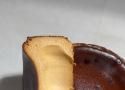
Ingredients
- 1,150 g full-fat cream cheese
- 260 g granulated sugar
- 350 g heavy cream
- 8 large eggs
- 45 g cornstarch
- 1 high-quality vanilla bean or 1 teaspoon vanilla bean paste
- 2 g salt
Instructions
- Preheat the oven to 220°C (430°F), conventional heat, and line a 24 cm cake ring or pan with parchment paper.
- Heat the heavy cream and vanilla in a saucepan until just below boiling.
- Place the sugar in a wide saucepan and caramelize gradually until it reaches a deep amber color.
- Carefully pour the hot cream into the caramel in several additions, stirring continuously. Cook until any hardened caramel has completely dissolved and the sauce is smooth.
- Add the salt and allow the caramel to cool until lukewarm.
- Mix the cream cheese on low speed until smooth. Add the lukewarm caramel and mix until fully combined.
- Gradually add the eggs, mixing on low speed to avoid incorporating air.
- Sift in the cornstarch and mix until the batter is smooth and uniform.
- Strain the batter into the prepared pan and bake for 25–30 minutes, until the top is deeply browned, the edges are set, and the center is still very jiggly.
- Allow the cake to cool completely at room temperature, then refrigerate for at least 8 hours, preferably overnight.
- Slice with a sharp knife for clean, neat portions.
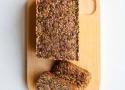
Ingredients
- 1 ½ cups dry steel cut oats
- ½ cup whole flax seeds
- ½ cup pumpkin seeds pepitas
- ½ cup sunflower seeds
- ½ cup quinoa flakes or oat flakes (see notes)
- 3 tablespoons whole psyllium husks
- 1 ½ cups water
- 4 teaspoons apple cider vinegar
- 1 ½ teaspoon salt (optional)
Instructions
- Soak the steel-cut oats: Place the steel-cut oats in a bowl and cover generously with water. Soak for 6 to 7 hours, until the oats are pliable and can be pressed between your fingers but still retain their shape. Do not oversoak. Drain very thoroughly using a fine mesh sieve.
- Combine the dry ingredients: Add the drained steel-cut oats, flaxseeds, sunflower seeds, pumpkin seeds, quinoa flakes, psyllium husk, and salt, is using, to a large bowl. Mix until evenly combined.
- Mix the liquids: In a separate container, stir together the water and apple cider vinegar.
Mix wet with dry: Pour over the oat and seed mixture. Mix thoroughly. Stir very well, making sure the psyllium and liquid are evenly distributed and there are no dry pockets. - Rest: Let the mixture sit for 25 to 30 minutes. This gives the psyllium time to fully hydrate and helps bind the loaf.
- Pack the loaf pan: Transfer the mixture to a nontoxic nonstick or parchment-lined 8 ½ x 4 ½-inch loaf pan. Press the mixture down very firmly and evenly. Compacting the mixture well is important for a loaf that holds together when sliced.
- Bake: Bake on the middle rack at 325°F (163°C) for 90 minutes.
Optional for a firmer crust: Carefully remove the bread from the pan for the final 10 to 15 minutes of baking and place it directly on the oven rack or a baking sheet. - Cool: Let the porridge bread cool completely, preferably on a cooling rack, before slicing. Allow at least 30 minutes so the loaf has time to firm up.

Ingrédients
- 450 g de raisin secs
- 450 g de canneberges séchées
- 225 g d’abricot secs hachés
- 225 g d’ananas secs hachés
- 100 g de zeste d’orange confit
- 1 ou 2 tasses de rhum ou de brandy
- 225 g de cerises glacées
- 225 g de noix de Grenoble hachées
- 225 g d’amandes hachées
- 1 ¼ tasse de mélasse
- 2 culières à café de macis
- 2 culières à café de cannelle
- 2 culières à café de clous de girofle
- 2 culières à soupe de cacao
- 3 ½ tasses de farine
- 1 culières à café de poudre à pâte
- 450 g de beurre
- 450 g de cassonade foncée
- 8 gros œufs
Instructions
- Dans un grand bol, mélanger les raisins secs, les canneberges, les abricots, les ananas, les zestes d’oranges et de citrons et les cerises.
- Couvrir de l’alcool choisi, mettre un couvercle sur le bol et laisser macérer toute la nuit.
- Ajouter les noix et les amandes le lendemain.
- Dans une casserole, mettre la mélasse, les épices et le cacao à chauffer.
- Laisser mijoter 10 minutes puis retirer du feu.
- Battre le beurre jusqu’à ce qu’il devienne léger.
- Incorporer le sucre.
- Continuer de battre jusqu’à ce que le mélanger soit mousseux et que les ingrédients soit bien mélangés.
- Ajouter les fruits et la mélasse et bien remuer.
- Tamiser la farine et la poudre à pâte et battre les œufs légèrement.
- Bien mélanger à la cuillère de bois.
- Verser dans trois ronds et profonds de 24 cm de diamètre, garnis de papier ciré beurré des deux cotés, ou trois moules à poudings de 2 litres bien graissés.
- Placer au centre du four, chauffer à 110 degrés Celsius, pendant 4 ou 5 heures.
- Laisser les refroidir avant de démouler.
- Quand le gâteau est tout à fait froid, le badigeonner d’un peu de rhum ou de brandy.
- Envelopper dans un linge imbibé de rhum ou de brandy et mettre dans un endroit frais.

Ingrédients
- 6 cuisses de canard non gras
- 1 bocal de graisse de canard (400g)
- sel
- poivre du moulin
- 50 cl de bouillon de volaille
- un peu de vin blanc (15cl) + un parfum = l'alcool de votre choix, ici une cuiller à soupe de pineau des Charentes.
- aromates au goût (1 branche d'étoile de badiane, 1/2 cuiller à café de gingembre
en poudre, 1 feuille de laurier, 4 clous de girofle)
Instructions
- Débarassez les cuisses de leur peau, en incisant sous la peau et en tirant dessus.
- Faites-les cuire en cocotte, 3 heures de feu moyen à doux, avec le bouillon de volaille, le vin blanc, l'alcool de votre choix, les aromates pour parfumer.
- Au delà de ce temps lorsque le liquide s'est évaporé, ajoutez la graisse et laissez cuire encore 1.30 heure, les fibres doivent se séparer, aidez-les avec une spatule ou fourchette en bois.
- Laissez-les refroidir à température ambiante.
- Finissez d'écraser la préparation pour obtenir une pâte homogène et remplissez votre terrine en coulant un peu de graisse seule sur le dessus.
- Attendre 24 heures avant de déguster avec du pain au levain, aux céréales, et des cornichons !
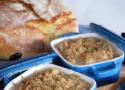
Ingrédients
- 2 lb (1 kg) de flanc de porc ( poitrine de porc ),désossé
- 1 lb (500 g) d'épaule de porc (échine de porc ), désossée
- 1 lb (500 g) de soc de porc (palette de porc ), désossé
- 300 g de gras de dos (gras de bardière)
- 1/2 lb (250 g) de panne de porc
- 400 ml d'eau
- 45 g de gros sel
- Poivre au goût
Instructions
- Couper, le flanc, l'épaule et le soc de porc en morceaux de la grosseur d'une noix.
- Réserver.
- Couper le gras de dos en petits dés et la panne de porc en petits lardons.
- Porter l'eau à ébullition dans un grand chaudron.
- À ébullition, ajouter la panne de porc et laisser fondre pendant 5 minutes.
- Ajouter le flanc, faire rissoler pendant 10 minutes à haute température, remuez à la spatule.
- Ajouter le soc et l'épaule et faire rissoler pendant 10 minutes en remuant.
- Ajouter le gras de dos, faites fondre jusqu'à ébullition.
- Après 1 heure, lorsque le jus et la graisse recouvrent l'ensemble, ajouter le sel et le poivre.
- Couvrir le chaudron, laissez émettre un petit bouillonnement.
- Laissez mijoter 6 heures environ, en remuant régulièrement, afin de bien effilocher la viande.

Ingrédients
- 40 g de graines de moutarde blanche
- 15 g de farine de millet
- 1 zeste de citron
- 4,5 cl d’eau
- 3 cl de vinaigre de cidre
- 3 cl d’huile de colza
- 1,5 cuiller à café de graines de cumin
- 1 cuiller à café de sucre de canne
- 3/4 cuiller à café de graines de poivre vert
- 1/2 cuiller à café de sel fin
Instructions
- Rincer les graines de moutarde, bien égoutter.
- Mettre à tremper dans le vinaigre pendant 2 h.
- Verser les graines avec leur vinaigre de trempage dans le bol d’un mini-hachoir ou d’un broyeur.
- Ajouter les autres ingrédients.
- Mixer jusqu’à obtention de la consistance souhaitée.
- Transférer dans un pot et conserver au réfrigérateur.

Ingrédients
- 150 gr de farine blanche
- 150 gr de sucre blanc
- 40 gr d'amandes amères moulues (sinon amandes normales mondées et moulues)
- 2 c c de levure chimique
- le zeste rapé et le jus d'un demi-citron
- 150 à 200 gr de baies de sureau noir égrenées
- 3 oeufs battus à la fourchette
- 150 gr de beurre fondu
- 1 yaourt nature (125 gr)
- 2 c s d'eau de fleur d'oranger
Instructions
- Dans un grand bol, mélanger la farine, le sucre, les amandes moulues, la levure chimique, le zeste de citron et les baies de sureau, sans les écraser.
- Dans un 2e bol, mélanger les oeufs, le beurre, le yaourt, le jus de citron, l'eau de fleur d'oranger.
- Mélanger ensuite le contenu des 2 bols, et laisser reposer une heure au frais.
- Répartir dans des moules en silicone, et faire cuire 12 à 15 minutes au four préchauffé à 220°.
- Laisser tiédir avant de démouler.

Ingrédients
Pour le sablé
- 1 tasse (120 g) de farine
- 7 cuillères à table (100 g) de beurre salé, ramolli
- 1/2 gousse de vanille
- 7 cuillères à table de sucre démérara
- 2 cuillères à table d’amandes en poudre
- 2 jaunes d’œuf
- 1/2 cuillère à thé de poudre à pâte ( levure chimique )
Pour la compotée de pommes
- 8 pommes évidées et coupées en 6
- 6 cuillères à table de sucre démérara
- 2 moitiés de coings pochés, coupées en lamelles ( recette ici ( clic ) )
- 1/4 tasse ( 60 ml ) de sirop chaud de cuisson des coings
Instructions
Pour le sablé
- Mélanger la farine, la poudre à pâte, les graines de vanille, la poudre d’amande et le sucre.
- «Sabler» les ingrédients secs avec le beurre, c’est-à-dire en roulant la pâte entre les mains (il faut travailler rapidement, pour ne pas faire fondre le beurre), jusqu’à l’obtention d’une pâte à la texture sableuse, mais homogène.
- Ajouter les jaunes d’œufs, pétrir une dernière fois, couvrir la pâte d’un linge propre et laisser reposer 15 minutes au frais.
- Étaler la pâte dans un moule à fond amovible, en la travaillant avec les doigts.
- Cuire au four à 300 F ( 150 C ), de 20 à 25 minutes ou jusqu’à ce que la pâte commence à blondir.
- Laisser refroidir avant de démouler.
Pour la compotée de pommes
- Mettre les pommes à cuire dans une casserole avec un fond d’eau (pour ne pas que ça colle en début de cuisson) et le sucre pendant environ 15 minutes ou jusqu’à ce que les pommes soient compotées.
- Réserver sans les écraser.
Montage
- Étendre les pommes compotées sur la pâte refroidie.
- Ajouter les lamelles de coings sur les pommes, puis badigeonner au pinceau de sirop de cuisson des coings.

Ingrédients
- 4 grosses oranges à peau épaisse
- 2 et 1/2 tasses (500 g ) de sucre
- 4 tasses (1 litre ) d'eau
- 1 tasse ( 200 g ) de sucre pour l'enrobage
Instructions
- Laver et brosser soigneusement les oranges.
- Couper les oranges en quartiers et enlever l'écorce des oranges.
- Sur une planche à découper, détailler les quartiers d'écorce en languettes assez fines d'environ 1/4" (0,5 cm) de largeur.
- Mettre les écorces dans une grande casserole. Les couvrir d'eau froide. Porter à ébullition. Laisser bouillir 5 minutes. Égoutter les écorces.
- Renouveler l'opération : couvrir à nouveau d'eau froide et laisser bouillir 5 minutes.
- Cette opération a pour but d'ôter l'amertume de la peau des oranges.
- Égoutter les écorces et les laisser refroidir dans la passoire.
- Dans un grand chaudron, combiner le sucre et l'eau et porter à ébullition, puis plonger les écorces et laisser frémir 5 minutes.
- Ôter la chaudron du feu et laisser refroidir complètement le sirop en laissant les écorces dedans.
- Renouveler l'opération deux fois, en prenant toujours soin d'attendre le refroidissement complet du sirop.
- Les écorces deviennent alors translucides, elles sont confites. Laisser complètement refroidir.
- Égoutter les écorces sur une grille et les laisser sécher toute une nuit.
- Verser le sucre restant dans un grand saladier.
- Y mettre les écorces par petites quantités et bien enrober avec les doigts.
- Secouer légèrement pour enlever l'excès de sucre.
- Conditionner dans des sacs de cellophane où les écorces d'oranges se conserveront plusieurs mois.

Ingrédients
- 300g de chocolat de bonne qualité
- 20 cl de crème à fouetter à 35%
- environ 50g de beurre de qualité
- cacao amer en poudre
Instructions
- Faire fondre le tout à petit feu, ou au mieux au bain-marie
- Laisser refroidir
- Faire des boulettes et les rouler dans le cacao

Ingrédients
- 190g de chocolat noir
- 150g de crème liquide
- 30g de beurre en pommade
- 25g de miel
- 5cl d'alcool (poire , mirabelle, chartreuse ...)
- nougatine
Instructions
- Tailler la nougatine en petits morceaux.
- Hacher le chocolat à l'aide d'un grand couteau.
- Le réserver dans un bol.
- Porter à ébullition la crème et le miel.
- Verser un tiers du liquide bouillant sur le chocolat, bien mélanger à la spatule ou au fouet, puis ajouter le reste en deux fois.
- Incorporer ensuite le beurre mou, lisser et l'alcool.
- Placer la préparation dans une poche à douille.
- Laisser refroidir.
- Faire ensuite des boules en versant directement un peu de ganache dans le pralin ou le chocolat en poudre.
- Ajouter quelques petits morceaux de nougatine.
- Former une boule bien ronde à la main.
- Réserver au frais dans une boite métallique.
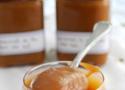
Ingrédients
- 2 tasses (400 ) de sucre
- 1/2 tasse (125 ml) de sirop de maïs blanc ou du glucose
- 3 et 1/3 tasses (830 m ) de crème 35 % chaude
- 1 1/2 tasse (375 g) de beurre salé, à température ambiante
- 2 c. à café de fleur de sel
Instructions
- Remplir le fond de l'évier d'eau froide.
- Dans une casserole à fond épais et haute de 5 litres, combiner le sucre et le sirop de maïs.
- Cuire en remuant jusqu'à ce que la température atteigne 365 F (185 C) sur le thermomètre à bonbon.
- Aussitôt la température atteinte, déposer le fond de la casserole dans le bain d'eau froide pour arrêter la cuisson.
- Ajouter peu à peu la crème chaude en remuant, la température réduira.
- Poursuivre la cuisson jusqu'à 225 F (108 C) en remuant.
- Laisser refroidir jusqu'à 104 F (40 C).
- Incorporer le beurre en brassant vigoureusement à l'aide d'une cuillère en bois.
- Ajouter la fleur de sel et mélanger.
- Remplir des bocaux et conserver au réfrigérateur.

Ingrédients
- 400g de lait concentré sucré (1 boîte)
- 250g de noix de coco râpée (2 sachets)
- 200g de chocolat (j'ai utilisé du chocolat au lait à pâtisser, Nestlé, impeccable)
- 30g de beurre
Instructions
- Verser la noix de coco et le lait concentré sucré dans un saladier. Bien mélanger.
- Répartir dans des petits moules rectangulaires en silicone (ou bien faire des boudins ou des bâtonnets à la main) sur une épaisseur d'environ 1,5cm.
- Mettre au réfrigérateur pendant 12 heures (pour que la pulpe de coco s'imprègne bien du lait concentré).
- Mettre au congélateur pendant 12 heures (pour faciliter le démoulage).
- Faire fondre le chocolat et le beurre au bain-marie (ou, comme moi, au micro-ondes), mélanger jusqu'à ce que le tout soit bien lisse. Si ce chocolat est trop épais, incorporer une cuillère à soupe de lait.
- Démouler les barres de coco.
- Plonger les bâtons de coco un par un dans le chocolat, bien les enrober, sortir à l'aide d'une fourchette, et laisser figer sur du papier sulfurisé (ou alu, à défaut).
- Réfrigérez vos Bounty si vous êtes vraiment très pressé(e) de les dévorer.
- axeloz/filesharing: Self-hosted files sharing application, easy to setup, easy to use
- ErugoOSS/Erugo: A powerful, self-hosted file-sharing platform built with PHP and Laravel with a Vue.js frontend. It offers secure, customizable file-transfer capabilities through an elegant user interface, giving you complete control over your data while providing a seamless experience for both senders and recipients.
- Travel wallet
- Passport holder
- Toiletry bag
- TSA-approved liquids bag and compliant containers
- Prescription medications
- Glasses case
- Travel pillow
- Packing cubes
- Valuables
- Tech organizer
- Luggage tracker
- Zippered pouches and reusable silicone bags
- Mini clip bag
- Hand sanitizer
- Lip balm
- Bluetooth wireless adapter
- Wired earbuds or headphones
- E-reader or a great book
- Eye mask
- Snacks
- Power bank
- Travel adapter/converter
- Travel first-aid kit
- Reusable water bottle
- Activities or games
- Light jacket
- Change of clothing


J'aime vraiment l'idée de cette écharpe.
Le problème est le patron qui n'est plus disponible.
Il faudrait que je me le procure.
Ingredients
Dough
- 8 ounces (2 cups) sliced blanched almonds
- 3 cups confectioners' sugar
- ½ teaspoon coarse salt
- 2 large egg whites
- Unsalted butter, softened, for molds
Royal Icing
- 1 pound confectioners' sugar
- 3 large egg whites or 5 tablespoons meringue powder mixed with ½ cup water
- Paste or gel food coloring (optional)
Instructions
- Dough: Place almonds in a food processor and process to form fine crumbs, about 2 minutes. Add sugar and salt and process until well combined and powder-like, about 1 minute. Add egg whites and process until a dough forms (it will have the texture of cookie dough). Wrap tightly in plastic wrap and refrigerate overnight.
- Preheat oven to 300°F with oven rack in the middle. Brush a set of 6 kransekake molds with butter. Divide dough in half. Working with one half of dough at a time, cut into small portions and roll into ropes that are slightly thicker than the diameter of a pencil (about 3/8-inch-to-1/2-inch thick). Fit ropes into rings of 3 molds, trimming to fit. Place molds on an unrimmed baking sheet and bake until puffed and lightly golden brown, about 30 minutes.
- Transfer molds to a wire rack and let cool completely on baking sheet. Repeat shaping and baking process with remaining half of dough and remaining 3 molds. Carefully remove rings from molds.
- Royal Icing: In the bowl of an electric mixer fitted with the paddle attachment, combine confectioners' sugar and egg whites. Mix on medium-high speed until combined and thickened, about 8 minutes. If decorating with more than one color, divide icing into batches. Using the end of a toothpick, add food coloring until the desired shade is achieved.
- To Assemble: Sort rings in order of size. Fill a piping bag with icing and pipe a few dots onto the base of the largest ring and adhere to a cake plate. Pipe icing onto the base of next largest ring, and stack on top of the first ring. Repeat process, continuing to stack rings in decreasing size to form a tower of 18 rings. Decorate as desired. Allow icing to set before serving.

Ingredients
Filling
- 454 g pitted prunes
- 1¾ cups water (approx.)
- ¾ cup (149 g) granulated sugar
- ¾ tsp ground cardamom
- ½ tsp cinnamon
- ¼ tsp ground cloves
- ¼ tsp kosher salt
- 1 tbsp lemon juice
- 2 tsp vanilla extract
Biscuits
- ¾ cup (171 g) unsalted butter, softened
- 1 cup (198 g) granulated sugar
- 3 eggs
- 2 tbsp 35% cream
- 1½ tsp almond extract
- 4¼ cups (604 g) all-purpose flour
- 2 tsp baking powder
- ¾ tsp kosher salt
- ½ tsp ground cardamom
Buttercream Frosting
- ½ cup (113 g) unsalted butter, softened
- 2¼ cups (283 g) icing sugar
- Pinch of kosher salt
- 1 tsp vanilla extract
- ½ tsp almond extract
- 2 to 3 tbsp 35% cream (approx.)
Candied Kumquats
- 3 or 4 kumquats
- ¼ cup (50 g) granulated sugar
- ¼ cup water
- 2 tsp liquid honey
Sugared Currants and Rosemary
- Red and golden currants
- Rosemary sprigs
- ¼ cup (48 g) superfine sugar
- No-melt powdered sugar
Instructions
Filling
- In a large shallow saucepan, combine the prunes with enough water to cover them and bring to a boil. Cook until the prunes are tender, about 10 minutes (most of the liquid should be absorbed). Meanwhile, combine the sugar, cardamom, cinnamon, cloves and salt in a small bowl. Set aside.
- Transfer the prunes to a food processor and pulse until they’re finely chopped. Return them to the saucepan, stir in the sugar and spice mixture, and cook over medium-low heat. Stir the mixture frequently, every 2 to 3 minutes, until it’s thick and mounds when stirred, 7 to 9 minutes.
- Stir in the lemon juice and vanilla. Transfer the filling to a shallow container and refrigerate it until slightly cooled, about 20 minutes. The mixture should be very thick and spreadable.
Biscuit
- Heat the oven to 375 F.
- Cream the butter and sugar in the bowl of a stand mixer fitted with a paddle attachment on medium-high until it’s very light and fluffy, about 5 minutes.
- Add the eggs, one at a time, scraping the bottom and sides of the bowl with each addition. Add the cream and almond extract.
- In another bowl, whisk together the flour, baking powder, salt and cardamom. Add them to the bowl of the stand mixer and beat on low until almost combined.
- Scrape the dough onto a work surface and gently knead it to combine. Divide the dough into seven equal portions.
- Shape one portion of dough into a rectangle using a pastry scraper. On a lightly floured surface, roll out the dough into a 9¼-by-7-inch rectangle, about ⅛-inch thick. Using a fork, dock all over the entire surface. Repeat with another portion of dough.
- Place each rectangle on its own parchment-lined rimless cookie sheet. Bake one sheet at a time on the centre rack of the oven until the dough is just baked and still pale, 7 to 9 minutes.
- Repeat with the remaining dough portions, making sure they are uniform in size and thickness. Let the biscuits cool completely on their trays.
Assembly
- Divide the prune filling into six equal portions.
- Place one biscuit on a cake turntable or small cutting board. Spread one-sixth of the prune filling evenly on top, taking it out to the edges. Top with another biscuit, pressing down lightly, and spread another sixth of the prune filling on top. Repeat until all seven layers are assembled, leaving the top layer bare.
- Cover the cake with two layers of plastic wrap and refrigerate for 15 minutes. This will soften the biscuit layers.
- Remove the plastic from the cake and tidy up the edges by trimming them with a long serrated knife.
- Re-wrap the completed cake in two layers of plastic wrap and store in a pantry at room temperature for up to 2 days. This will allow the cake to soften further and for the flavours to come together.
Buttercream Frosting
- Beat the butter and icing sugar in the bowl of a stand mixer on medium-low to combine. Increase the speed to medium-high and beat until very light, about 5 minutes. Beat in the salt, vanilla, almond extract, and enough cream to create a smooth and spreadable icing.
- Spread the frosting evenly on the top layer of the cake. Using a melon-baller, make even indentations across the frosting.
Garnish
- To make the candied kumquats, cut the kumquats into ⅛-inch thick rounds and remove any seeds. Combine the sugar, water and honey in a small saucepan and bring to a boil over medium-high heat. Cook until the sugar has dissolved and the syrup is thick. Add the kumquats and gently stir to coat them with syrup. Reduce the heat and simmer for 2 to 3 minutes. Remove the pan from the heat and let it stand for 15 minutes. Remove the kumquats from the syrup, place them on parchment paper and set aside. Continue cooking the syrup until it’s thick enough to coat the rosemary and currants.
- To make the sugared rosemary, brush some of the kumquat syrup on the rosemary sprigs, then roll them in the superfine sugar. Let the sprigs dry on parchment paper.
- To make the sugared red currants, brush them with the kumquat syrup, then gently toss them in the superfine sugar to coat. Let the currants dry on parchment paper.
- Arrange the candied kumquats on the cake with the currants and rosemary. Arrange holiday green foliage around the cake, if you have some, then dust with the no-melt icing sugar.

Shoulder Opener
What it does: Warms up and improves mobility in the shoulders, which helps prevent shoulder injury
How to do it: Stand tall with your feet hip-width apart and your knees soft (never locked). Hold a broom handle or PVC pipe in front of you with a wide grip. Roll your shoulders up, back, and down. Then, using your back muscles and keeping your arms straight, slowly raise the handle overhead until you feel a gentle stretch in your shoulders at the end range of motion. Hold this position for five seconds, then slowly lower the handle or pipe back down for one repetition. Repeat.
Volume: Three sets of five to seven reps
Wall Squat
What it does: Warms up the legs and lower back, improves mobility in the hips and lower back, and trains a proper squat technique
How to do it: Stand facing a wall, a few inches away, and shift your weight to your heels. Place your fingers on the front of your hips, and gently guide them back as you bend your knees to sink lower into a squat. The wall prevents you from leaning too far forward and keeps your knees from going beyond your toes to enforce proper form. Go as low as you comfortably can, pause, then slowly return to the starting position for one repetition. If balance or joint mobility is an issue, hold a small counterweight in front of you for assistance. “It does not matter how far down you go,” says Stabler. “Just focus on keeping the hips moving back.”
Volume: Three sets of six to eight reps
Plank
What it does: Builds strength and stability in the core muscles through an isometric hold
How to do it: From kneeling, place your forearms on the ground shoulder-width apart, with your elbows below your shoulders. Extend your legs directly behind you, with your feet together and toes tucked under so that your body forms a straight line from your heels to your head. Engage your core. Keep your back flat (no sagging, arching, or tipping the hips) and head up so your neck is in line with your spine. Hold this position until you break form or begin shaking. Remember to breathe.
Volume: Hold until failure (loss of form). If you lose form in less than a minute, begin with multiple shorter holds (such as six reps of 15-second holds, with 15 to 30 seconds of rest between each), and work your way up to a minute and beyond.
Squat with Resistance Band
What it does: Strengthens the quads and glutes, while engaging the hip-abductor muscles to train correct knee position and stability
How to do it: Place a resistance band around both legs, above the knees, and stand tall with your feet hip-width apart. Hold your chest upright, pull your shoulders back and down, and engage your core muscles. Then shift your weight to your heels and squat, like you’re sitting in a chair, until your thighs are parallel to the ground. Push through the heels to stand back up. Drive your knees outward against the band throughout the movement to keep them parallel.
Increase difficulty by holding a dumbbell in each hand, wearing a weighted vest, or holding a kettlebell in front of your chest. “Don’t add additional weight to the squat unless your form is solid,” says Stabler. If your knees collapse inward, you can’t bring your thighs parallel to the ground, or you’re rounding through your back, back off.
Volume: Four sets of 12 reps. Complete a one-minute plank (see description above) between each set.
Box/Bench Step-Up
What it does: Strengthens your hiking engine: quads, glutes, hamstrings, and calves
How to do it: Stand in front of a sturdy box or bench that is midshin to just below your knee in height (the shorter the easier). Step onto the box with one foot. Make sure your entire foot is on the box, not just the forefoot, then engage your quad, press through your heel, and stand to bring your lower leg up onto the box. Your upper leg should do all of the work. Step back down for one repetition. Alternate which leg goes first every rep.
Keep your torso upright and your hips and shoulders level throughout the movement. Also be mindful that your knees don’t collapse inward as you step up, since that pattern is correlated with knee pain. Hold dumbbells in your hands to increase difficulty. Like before, only add weight if your form is perfect.
Volume: Three sets of 12 reps (each leg). Hold two dumbbells overhead for one minute between each set.
Stationary Lunge
What it does: Strengthens quads, hamstrings, and glutes, and also trains balance
How to do it: Stand tall with your feet hip-width apart and your knees aligned over your toes. Hold a dumbbell on each side to increase difficulty or place your hands on your hips. Engage your core. Take an exaggerated step forward (about two feet in distance), then sink your hips until your front thigh is parallel to the ground (or as deep as you can go comfortably). Your rear knee should not touch the ground. Push back to the starting position for one repetition. Alternate legs each rep.
Keep your hips level and square (don’t let them rotate or dip) throughout the movement. Like with the box steps, be mindful that your knees don’t collapse inward.
Volume: Four sets of ten reps (each leg). Do ten to 15 push-ups between each set.
Bear Crawl
What it does: Primarily trains core strength and stability, and also works the legs and upper body
How to do it: Start in a tabletop position, with your hands below your shoulders, knees below your hips, and spine in a neutral position. Engage your core, and lift your knees off the floor by a couple of inches to come up on your toes. Holding this raised position, crawl forward by moving the opposite hand and foot at the same time. Move slowly and exaggerate the movement. Try to bring your front knee all the way to your rear elbow, or as close as possible, while maintaining proper form. Keep your back flat and your hips level throughout the movement. “Imagine there’s a plate on your back,” says Stabler. “Don’t let it fall.”
Make it harder by holding dumbbells in your hands (lift them completely off the ground each move—no sliding). Mix it up by doing some rounds backward.
Volume: Five rounds of 50 feet. Do 15 to 20 reps of your favorite core exercise between each set.
Ingrédients
- 400 g de cream cheese (type fromage à tartiner, aussi trouvable en fromagerie en version artisanale)
- 400 g de mascarpone
- 300g de crème de marron
- 150 g de sucre semoule
- 5 œufs
- 30 cl de crème fleurette
- 25 g de fécule de maïs
Instructions
- Verser le cream cheese, le sucre, le mascarpone et la crème de marron dans la cuve d’un batteur et mélanger à vitesse moyenne. Quand le mélange est bien homogène, ajouter les oeufs un par un en laissant le batteur mélanger en même temps, toujours à vitesse moyenne.
- Incorporer la fécule et mélanger à nouveau. Ajouter ensuite la crème en filet et augmenter la vitesse pour homogénéiser l'appareil. Il est normal que l’appareil soit liquide.
- Beurrer un moule rond de 24 cm de diamètre. A l’aide d’un morceau de beurre, chemiser le moule avec du papier sulfurisé ; le papier doit dépasser tout autour du moule et adhérer aux parois. Y verser la préparation.
- Donner un coup sec avec le moule sur le plan de travail afin de chasser les bulles d’air. Enfourner et cuire 40 minutes à 220 degrés, chaleur tournante. La préparation doit brunir, mais le centre doit rester très crémeux.
- À la sortie du four, le cheesecake doit reposer. Une fois que le gâteau a refroidi, réserver 4 heures au frais ou, mieux, une nuit entière. Démouler avant de servir.

Ingrédients
- 90 ml de lait de votre choix (amandes pour moi) + un peu plus pour la dorure
- 60 g de sucre en poudre
- 30 g de beurre demi-sel coupé en morceaux
- une pincée de sel (optionnel si vous utilisez du beurre salé)
- 3 à 4 g de levure sèche de boulanger (2 à 3 c. à café)
- 2 œufs
- 285 g de farine + un peu plus
- 1 à 2 c. à café de cardamome moulue
- 65 g de fruits secs (raisins blonds, raisins de Corinthe et cranberries pour moi)
- 45 g de cubes de citron confit
Instructions
- Dans une petite casserole, faites tiédir le lait puis hors du feu, ajoutez le sucre, le sel et le beurre coupé en morceaux, remuez jusqu'à ce que le beurre soit fondu puis réservez.
- Dans un grand saladier, versez 60 ml d'eau tiède puis ajoutez la levure sèche de boulanger en pluie et remuez jusqu'à complète dissolution. Ajoutez le mélange lait/beurre/sucre puis les œufs battus et mélangez.
- Ajoutez la moitié de la farine tamisée et la cardamome moulue et mélangez bien. Ajoutez les fruits secs et confits et mélangez. Ajoutez l'autre moitié de la farine tamisée progressivement et mélangez avec une cuillère en bois puis terminez avec vos mains et ajoutez encore de la farine si besoin, jusqu'à ce que vous puissiez former une boule de pâte, couvrez et laissez reposer une dizaine de minutes.
- Sur un plan de travail fariné, pétrissez la pâte à brioche pendant 10 minutes puis transférez la boule de pâte dans une saladier graissé, couvrez d'un torchon propre et laissez pousser environ une bonne heure dans un endroit tiède et à l’abri de l'air comme un four préchauffé à 25-30°c environ, la boule de pâte devra avoir doublé de volume.
- Sortez la boule de pâte et déposez-la sur un plan de travail fariné et dégazez-la (appuyez avec le point de la main).
- Recouvrez une plaque recouverte de papier cuisson et déposez-y la boule de pâte, couvrez d'un torchon et laissez pousser dans une endroit tiède à nouveau entre 1h et 1h30 (ou plus si besoin), jusqu'à ce que la pâte ait doublé de volume à nouveau.
- Préchauffez votre four à 160°c (th. 5-6) puis enfournez pour une première cuisson de 15 min. Au bout de 8 min, sortez le pain brioché et badigeonnez-le d'un mélange lait + sucre. Puis couvrez d'une feuille de papier aluminium et poursuivez la cuisson pendant 15 maximum, surveillez la cuisson, votre pain brioché est prêt lorsqu'il est bien doré et qu'une belle croute s'est formée à l’extérieur (le mien l'était au bout de 10 min). Sortez-le et laissez-le tiédir ou refroidir sur une grille et dégustez immédiatement, nature, grillé ou recouvert de ce qui vous plait accompagnée de votre boisson préférée.
Ingrédients
- 15cl de lait
- 10g de levure de boulanger
- 3 cuillères à soupe d'huile de pépin de raisin
- 1 cuillère à café de sucre en poudre
- 1 cuillère à café de sel
- 500g de farine
Instructions
- Dans une casserole, faites tiédir la lait à feu doux puis incorporez la levure.
- Délayez puis laisser gonfler pendant 5 minutes.
- Mélangez ensuite cette préparation avec 15cl d'eau tiède, 2 cuillères à soupe d'huile de pépin de raisin, le sucre et le sel.
- Dans un saladier, versez la farine et creusez un puit.
- Versez la préparation liquide en une seule fois et malaxer jusqu'à ce que la pâte ne soit plus collante.
- Pétrissez encore pendant 2 minutes en aérant la pâte.
- Formez une boule, couvrez-la d'un torchon et laissez reposer pendant 3 heures à l'abri des courants d'air.
- À l'issue de ces 3 heures, pétrissez à nouveau la pâte et divisez-la en 4 parts égales.
- Aplatissez chaque part puis abaissez-les pour former 4 disques.
- Laissez reposer pendant 1 heure dans un endroit tiède.
- Avant la cuisson, badigeonnez les faluches d'huile de pépins de raisin et saupoudrez de farine.
- Faites cuire à 180°C (th6) pendant 15 minutes, les faluches doivent rester pâles et leur croûte très tendre.
- Laissez refroidir les faluches sur l'envers.
Ingredients
Tangzhong
- 4 Tbsp (60g) whole milk or unflavored almond milk
- 2 Tbsp (27g) water
- 2 Tbsp (20g) bread flour
Dough
- ½ cup (120g) whole milk or unflavored almond milk
- 1 Tbsp (9g) instant yeast
- 2.5 cups (320g) bread flour, plus more for bench flour
- 2.5 Tbsp (35g) granulated sugar
- 1 tsp (7g) fine sea salt
- 1 large egg, room temperature
- 1 large egg yolk, room temperature
- 3 Tbsp (42g) unsalted butter, softened
- Cooking spray, for greasing
Egg Wash
- 1 large egg
- Splash of whole milk
- Melted butter or browned butter
Instructions
Tangzhong
- Whisk all the ingredients together in a small saucepan.
- Once combined, place over medium heat, and constantly whisk until the mixture thickens into a paste.
- Remove to a small bowl and set aside.
Dough
- Warm the milk to 95°F (35°C).
- Whisk in the instant yeast until dissolved.
- Store in a warm area and let sit for 8 minutes.
- In a stand mixer bowl whisk together the dry ingredients.
- Add the dough hook and turn the mixer on low.
- Slowly stream in the milk and yeast mixture and mix for a few seconds to combine.
- Add the tangzhong paste, egg and egg yolk.
- Turn the mixer speed up to medium-low and continue to mix until evenly combined, turning the machine off and scraping down the sides of the bowl intermittently throughout mixing.
- Gradually add the butter in pieces, mixing the butter into the dough completely before adding more.
- Once the butter is incorporated, continue to knead the dough at medium-low speed for 5-8 minutes, or until the dough is smooth.
- Lightly grease a medium bowl and set aside.
- Remove the dough from the stand mixer and gently fold all the sides towards the center to help form a ball.
- Place the dough seam side down on a clean work surface and roll it around on the board to create a tight, smooth ball.
- Place the dough in the greased bowl, cover with a damp towel and place in a warm area to proof and double in size, about 1 - 1.5 hours.
- After the dough has risen, punch the dough down and place on a lightly floured work surface.
- Using a bench scraper, divide dough into 6 even pieces around 95–105 grams each.
- To shape the individual buns, place one dough piece in the center of your board.
- Gently stretch and fold the edges of the dough towards the center.
- Flip the dough so it is seam side down.
- Using your fingers pull the dough toward you, making sure the dough keeps contact with the board the entire time, to start to create tension and form a tight dough ball.
- Rotate the dough 90 degrees and repeat this process two more times or until you have done this for the entire perimeter of the bun and have a smooth, tight dough ball.
- Line a rimmed sheet tray with parchment paper and lightly grease the parchment.
- Place the shaped dough on the prepared pan.
- Repeat with the remaining dough, making sure to leave 2.5” (6cm) of space between each bun.
- Cover with a similar-sized sheet tray that is flipped so that the dough will not dry out.
- Let rise at room temperature for another 1-2 hours, or until doubled in size.
Egg Wash and Baking
- Preheat the oven to 375°F (190°C).
- Whisk together the egg and milk until evenly combined.
- Gently brush the tops of the buns with the egg wash.
- Bake for 16-18 minutes or until deeply golden brown.
- Remove the buns to a cooling rack and immediately brush generously with melted butter.
- Let cool completely before serving.

Ingredients
- 2 large eggs (about 110 grams)
- 50 grams honey
- 70 grams water
- 1 tsp salt
- 100 grams melted and cooled unsalted butter
- 250 grams all purpose flour
- 1 tsp instant yeast (I used SAF Gold, which is good for enriched dough. Red Star Platinum would be good too)
Instructions
- In a medium bowl, whisk the eggs, honey, water, salt and melted butter together.
- Whisk the flour and yeast together and sift it into the egg and butter mixture.
- Whisk (I love using a Danish dough whisk for this) the ingredients together for about 30 seconds to a minute. The dough should look fairly smooth.
- Cover the bowl with plastic wrap and let sit for about 2 hours.
- Remove the dough from the bowl and do a couple of "stretch and folds" from all four sides until the dough resists.
- Place the dough back into the bowl, cover the bowl with plastic wrap, and refrigerate the dough for 24 to 48 hours.
- When you are ready to bake, remove the dough from the refrigerator and divide it into 6 equal pieces.
- Line a quarter sheet pan with parchment paper.
- Shape the pieces into balls, and then flatten the balls by pressing down on them with you hand. Place the disks on the parchment paper and cover with oiled plastic wrap. Let the rolls proof for 2 to three hours, depending on the temperature of the room.
- Preheat your oven to 375 degrees F. Brush the rolls with an egg wash (beaten egg and water) and bake for 10 minutes. Reduce the oven temperature to 325 degrees F and bake for another 10 minutes, until the rolls are golden brown.
- Cool the rolls on a wire rack.
- Store in an airtight container.
Ingredients
- 3/4 cup very warm water, divided
- 1 pkg yeast
- 2 Tbsp sugar
- 4 Tbsp melted butter, divided
- 1 large egg
- 2 chipotles, chopped + 2-3 Tbsp adobo sauce (from canned chipotles in adobo)
- 3 - 4 cups flour
- 1 1/4 tsp salt
- Sesame seeds
Instructions
- Put 1/2 cup water into the bowl of your stand mixer fitted with the dough hook and stir in the sugar. Sprinkle 1 package of yeast over top and let rest 10 minutes.
- Add 2 Tbsp melted butter, egg, chopped chipotles, adobo sauce, and remaining 1/4 cup water.
- Add 3 cups flour and salt and turn mixer on to low.
- Knead 5-7 minutes, until dough comes together and forms a soft, smooth ball. (Dough should clean the sides of the bowl, add additional flour if necessary.)
- Cover the dough, and let it rise for 1 to 2 hours, or until doubled.
- Turn the dough onto a floured surface and divide it into 8 equal pieces.
- Shape each piece into a round ball and flatten with your palm to 3 inches across. Place the buns on a lightly greased or parchment-lined baking sheet, cover, and let rise for an hour.
- Preheat oven to 375.
- Brush the buns with 1/2 Tbsp of the melted butter and sprinkle with sesame seeds.
- Bake 15 - 18 minutes, until golden.
- Remove them from the oven, and brush with the remaining melted butter.
- Let buns cool before slicing.
Ingredients
- 1 pkg/Tbsp. Red Star Platinum Yeast
- 1 ¼ Cups warm water
- 2 ½-2 ¾ Cups unbleached, all-purpose flour
- 1 Cup yellow cornmeal
- 3 Tbsp buttermilk powder (original recipe called for ¼ Cup nonfat dry milk powder)
- 3 Tbsp. butter, softened
- 2 Tbsp. sugar
- 1 ½ tsp. salt
Instructions
- Place warm water and yeast in EZ DOH bucket and stir to dissolve yeast.
- Let rest 1 minute.
- Add one cup of flour, then additional dough ingredients.
- EZ DOH-it for 2-3 minutes, or until dough is smooth and soft and all ingredients are incorporated, adding enough flour so that the dough is not sticky.
- Remove dough from bucket, spray bucket with cooking spray, “smooth” dough and replace in bucket.
- Cover and let rise until doubled.
- Remove dough from bucket.
- Roll out into a rectangle, then roll up (jelly-roll fashion) and pinch seam shut.
- Place in a greased loaf pan (I LOVE my hearth loaf pan, which measures 12”x5 ½”x 2 ¼”, for this loaf……if you don’t have a similar pan, it can be baked in a 9x5” loaf pan with a longer baking time, or just shape it into a loaf measuring the size above and bake it on a greased baking sheet).
- Let rise until doubled.
- Bake at 375 for 30-40 minutes.
- Remove from pan and cool on wire rack.
- Brush the top of the loaf with butter.

Ingrédients
Pâte
- 750 g de farine boulangère pour pain
- 485 g d'eau
- 30 g de levure de boulanger fraîche
- 15 g de sel fin
Garniture
- 200 g de fromage de brebis
- 2 tranches de jambon blanc
- 2 ou 4 tranches de jambon de Bayonne
- 200 g de beurre ramolli
- 200 g de beurre de roquefort
Instructions
- Pour réaliser cette recette de pain surprise, commencer par préparer tous les ingrédients.
- Verser le sel fin dans la farine. Mélanger et mettre en fontaine.
- Ajouter la levure de boulanger émiettée...
- ...et l'eau tiède.
- Mélanger au batteur (avec l'accessoire crochet) pendant 3 minutes à petite vitesse...
- ...puis poursuivre ce pétrissage pendant 8 minutes à vitesse moyenne. Stopper le pétrissage à ce stade.
- Retirer le crochet, former une boule de pâte...
- ...et couvrir d'un linge propre. Laisser pousser la pâte 20 minutes dans un endroit tiède, comme une chambre de pousse.
- Retirer le torchon...
- ...et rompre la pâte avec la paume de la main.
- Transvaser cette pâte dans un cercle à pain surprise légèrement graissé à l'aide d'un aérosol à graisse. Ce cercle sera également posé sur une plaque à pâtisserie à revêtement anti-adhérent.
- Couvrir d'un torchon propre et laisser lever à nouveau pendant 1h30 à 2h. Lorsque la pâte arrive à quelques centimètres du bord du cercle, retirer le torchon...
- ...et laisser pousser encore quelques minutes jusqu'à ce que la pâte dépasse du cercle et soit bombée sur le dessus.
- Enfourner dans un four ventilé (ou chaleur tournante), préchauffé à 200°C, et laisser dorer entre 30 et 40 minutes selon la grosseur du pain.
- Au terme de la cuisson, retirer le pain du four...
- ...et retirer le cercle en inox. Laisser refroidir.
- Avec un couteau à pain...
- ...découper le chapeau du pain délicatement.
- Remettre le pain droit et enfoncer la pointe d'un couteau filet de sole entre la mie et la croûte de façon verticale. Attention à ne pas transpercer le fond.
- Par un mouvement de haut en bas, découper la mie sur tout le pourtour du pain.
- Veiller à couper la mie jusqu'au fond, en le faisant le plus régulièrement et le plus droit possible, et surtout sans transpercer la croûte du fond.
- Retirer le couteau et le planter horizontalement à 1 cm de hauteur de la croûte du fond. Il est nécessaire de faire une entaille de 3 à 4 cm pour être à l'aise.
- Lorsque le couteau est enfoncé, le faire pivoter du côté tranchant, afin de couper le fond du pain surprise. Veiller à épouser le contour du pain, sans pour autant transpercer la croûte.
- Retirer le couteau, faire pivoter la lame et la réintroduire délicatement dans le même trou et renouveler la découpe du fond, toujours sans transpercer la croûte.
- Retirer le couteau et introduire délicatement la main à la verticale entre la mie et la croûte. Avec le bout des doigts, décoller totalement le bloc de mie de sa croûte. Faire de même sur tout le pourtour. Attention à ne pas l'abîmer.
- Retirer le bloc de mie et réserver la croûte et le chapeau.
- Découper au couteau à pain le bloc de mie en 8 tranches régulières, d'épaisseur égale. Attention à ne pas les casser.
- Beurrer la surface des tranches de mie.
- Disposer le jambon de Bayonne...
- ...et recouvrir d'une seconde tranche de mie. Presser pour bien faire adhérer et découper au ciseaux le jambon qui déborde sur le pourtour.
- Faire de même avec le beurre de roquefort...
- ...que vous aurez préparé préalablement et qui aura la consistance d'une pommade.
- Continuer avec du jambon blanc et enfin avec le fromage de brebis. Vous pouvez laisser marcher votre imagination pour trouver d'autres idées de garniture.
- Découper chaque galette de pain de mie garni...
- ...en 8 avec un gros couteau éminceur.
- Disposer les mini-sandwichs dans le pain de mie...
- ...afin de reconstituer le pain.
- Il est possible de faire un étage de chaque (un étage de jambon, un étage de roquefort, etc...) ou bien de mélanger toutes les variétés.
- Refermer le pain surprise avec son couvercle. Juste avant de le servir aux invités, parfaire sa présentation en l'entourant d'un ruban à charlotte. Bon appétit !

Ingredients
- 2 1/4 cups warm water (not more than 115F / 46C)
- 2 teaspoons sugar
- 2 1/4 teaspoons yeast
- 2 tablespoons shortening (only if you add onion to the dough)
- 1/3 cup sweet onion, finely chopped (I did not use onion in the dough)
- freshly ground black pepper, to taste
- 3 cups (approx 400 grams) bread flour
- 2 tablespoons canola oil (I used peanut oil)
- 1 cup sweet onion, finely chopped (I used white onions)
- 2 teaspoons poppy seeds
- 1 tablespoon salt
- 3 cups (approx 400 grams) bread flour
Instructions
- For the sponge: In a large glass bowl, whisk together the water, sugar and yeast and allow to stand about 5 minutes or until foamy. If using onions in dough: In a small saute pan over low heat, sweat 1/3 cup onion in shortening until it’s soft and translucent.
- With a wooden spoon, stir the flour and onion mixture into the yeast mixture. Stir for about 3 minutes then cover tightly with cling film and let stand about 90 minutes or until doubled and bubbly.
- For onion topping: Sweat remaining onion in canola oil with poppy seeds over low heat until translucent, set aside to cool.
- For the bialys: Preheat the oven to 500 F. Place an oven proof pan or baking tray in the bottom of the oven and your baking stone or heavy baking tray in the center.
- When the sponge is ready, add salt and 2 cups (approx 260 grams) bread flour and begin to knead the soft dough right in the bowl. Add as much flour as is needed to obtain a workable dough and knead until it’s soft and pliable, about ten minutes total.
- Cover the bowl tightly with cling film and allow to rise until doubled in bulk, about 90 minutes.
Divide the dough into 12 portions and shape each into a round about half an inch thick. Create a depression in the center and prick well with a fork. - Divide the onion mixture evenly between the breads and prick the centers again before baking.
Put ice cubes or cold water into the skillet or baking tray to create steam. Transfer the breads onto your baking stone or baking tray with a bit of cornmeal to prevent sticking. (I used a cookie sheet to help transfer the bialys onto a baking stone) - Bake ten minutes at 500 F, reduce temperature to 450 and bake a further 5 minutes or until golden brown. Cool on a wire rack
Ingredients
For the Sponge
- 1 cup milk
- 1/3 cup all-purpose flour
- 2 teaspoons sugar
- 1/2 cup lukewarm water
- 3 (1/4-ounce) packages active dry yeast
For the Dough
- 10 large egg yolks, room temperature
- 2 large eggs, room temperature
- 1 teaspoon salt
- 1 cup sugar
- 8 ounces (1 cup) unsalted butter, melted
- 2 teaspoons pure vanilla extract
- 1 tablespoon lemon zest, grated
- 6 cups all-purpose flour
- 1 cup raisins, light or dark, optional
- 1 large egg, room temperature
- 2 tablespoons milk, or water, room temperature
Instructions
Sponge
- Scald the milk and cool it to 110 F.
- Place 1/3 cup flour in a medium bowl and pour the cooled scalded milk over, beating until smooth. Set aside.
- In a measuring cup or small bowl, dissolve 2 teaspoons sugar in lukewarm water and stir in the yeast.
- Transfer the yeast mixture to the milk-flour paste, mixing well.
- Cover with plastic wrap and let rise until light and bubbly.
Dough
- In a large bowl or stand mixer, beat the egg yolks, whole eggs, and salt.
- Add 1 cup sugar and continue beating until light.
- Beat in the butter, vanilla, and lemon zest.
- Add the sponge to this mixture and mix well.
- Add 6 cups flour and knead 7 minutes by machine or 10 minutes by hand.
- Knead in the optional raisins.
- Cover with greased plastic wrap and let rise until doubled.
- Punch down dough, knead a few times, and let it rise again.
- Grease 3 babka cylinders or food-grade coffee tins and fill each pan 1/3 full.
- Cover with greased plastic wrap and let rise until tripled.
- Brush tops with 1 large egg beaten with 2 tablespoons of milk or water.
- Heat oven to 375 F.
- Bake babkas 10 minutes.
- Then lower temperature to 325 F and bake 30 minutes.
- Then lower temperature to 275 F and bake 15 to 20 minutes longer. Cover tops with aluminum foil, if they are browning too quickly.
- Remove from the oven and let stand in the pan for 10 minutes.
- Turn loaves out of the pan, running a knife around them, if necessary, and cool completely on a wire rack.
- If desired, the cooled loaves can be iced with a simple confectioners' sugar glaze, letting it drip down the sides for a decorative effect.


Ingredients
Dough
- 3 cups (360g) King Arthur Unbleached All-Purpose Flour
- 1 3/4 teaspoons (11g) table salt
- 1 teaspoon instant yeast
- 1 teaspoon granulated sugar
- 1 1/4 cups (284g) water, warm (90°F to 110°F)*
- 1 1/2 tablespoons (18g) olive oil
- 1/4 cup (35g) King Arthur Cinnamon Sweet Bits*
Pan and topping
- 3 tablespoons (36g) olive oil, divided
- 1/3 cup (71g) light brown sugar, packed
- 2 tablespoons (28g) butter, softened
- 1 tablespoon (5g) Vietnamese cinnamon
Glaze
- 3/4 cup (85g) confectioners' sugar, sifted if lumpy
- 1 1/2 tablespoons (21g) milk or heavy cream
- 1/2 teaspoon King Arthur Pure Vanilla Extract
- pinch of table salt
Instructions
- To make the dough: Weigh your flour; or measure it by gently spooning it into a cup, then sweeping off any excess. In a large bowl (a 3-quart bowl with a lid works great), whisk together the flour, salt, yeast, and sugar.
- Add the water and olive oil and stir — with a spatula, bowl scraper, dough whisk, or your hands — until the mixture is thoroughly combined and homogeneous; there should be no dry patches or lumps. Cover the bowl and set it aside for 15 minutes.
- Perform the first bowl fold: Use a wet hand to grab a section of dough from one side of the bowl, then lift it up and press it into the center. Repeat this motion, grabbing a new section of dough each time, until you’ve made a full circle around the bowl, about 8 to 12 times. Once you’ve circled the bowl, flip the dough over in the bowl so that the smooth side is up; the first bowl fold is now complete. Cover the bowl and let the dough rest for 15 minutes. Note: You’ll do this three more times over the next 45 minutes, strengthening the dough each time.
- Repeat the bowl fold for a second time. (Remember to use a wet hand to prevent the dough from sticking!) At this point, the dough should feel smoother and tighter. Cover the bowl and let the dough rest for 15 minutes.
- Sprinkle about half of the Cinnamon Sweet Bits (2 tablespoons or 18g) over the dough, then repeat the bowl fold for a third time, covering up the Cinnamon Sweet Bits as you fold. Cover the bowl and let the dough rest for 15 minutes.
- Sprinkle the remaining Cinnamon Sweet Bits over the dough, then repeat the bowl fold for a fourth and final time; the dough should feel relatively strong.
- Cover the bowl and let the dough rise at a warm room temperature (70°F to 75°F) for 1 hour; see this post, Where to put dough to rise, for tips. After 1 hour, the dough should have nearly doubled in size and will be very puffy; it may even have a few bubbles on the surface.
- To prepare the pan: Once the dough has risen, spray the bottom and sides of a 9" square Fabulous Focaccia Pan with nonstick spray. (See “tips,” below for details about this pan as well as alternate pan options.) Fully line the pan with parchment so that there’s some excess overhanging the edges. Lightly spray the parchment with nonstick spray, add 1 tablespoon (13g) of the olive oil, and tilt the pan to spread the oil evenly across the bottom.
- Use a bowl scraper or flexible spatula to gently transfer the risen dough to the center of the pan. Drizzle 1 tablespoon (13g) of the olive oil over the dough.
- Cover the pan and let the dough rise at a warm room temperature for 1 to 1 1/2 hours, until it’s marshmallowy and jiggly; the dough should nearly fill the corners of the pan and be very close to the top edge.
- While the dough rises, make the topping: In a small bowl, combine the brown sugar, butter, and cinnamon and mix until it forms a smooth, thick paste. Cover and set aside until the dough has risen.
- Toward the end of the rise, preheat the oven to 450°F with a rack in the lower third.
- Once the dough has risen, lightly coat your fingers in oil. Starting at one edge, press your fingertips into the dough until they reach the bottom of the pan, creating dimples. Repeat this process, working your way from one edge to the other, spacing the dimples about 1 1/2" apart. The goal is to thoroughly dimple the dough without deflating it — aim for decisive yet gentle motions. If there are any large untouched areas of the dough, add additional dimples using one finger.
- To top the dough: Use your hands to distribute the brown sugar mixture all over the dough, aiming to fill in many of the dimples. Dimple the dough once more, pushing the brown sugar mixture into the dough. Drizzle the remaining 1 tablespoon (13g) olive oil all over the surface of the dough.
- Bake the cinnamon roll focaccia on the lower rack for 15 to 20 minutes, until the topping is thick and bubbly and any exposed dough is deep golden brown. If the focaccia is browning too fast, tent it with foil after 15 minutes.
- Remove the focaccia from the oven. Using the parchment and a thin spatula for assistance, carefully transfer the focaccia to a wire rack to cool slightly.
- To make the glaze: In a small bowl, stir together the ingredients to make a smooth glaze; the consistency should resemble honey. Drizzle it all over the warm focaccia and allow it to set, 10 to 15 minutes.
- Cut into slices and serve the cinnamon roll focaccia slightly warm or at room temperature.
- Storage information: Focaccia is best enjoyed the day it's made. If storing leftovers, wrap the focaccia loosely in foil, keep it at room temperature, and reheat before serving.
C'est un peu long à faire mais c'est super bon.
Je ne suis pas sur que le glaçage soit nécessaire.
La prochaine fois je n'en mettrais pas.
Ingrédients
Gâteau
- 430g de fromage à la crème, tempéré
- 120g de cassonade
- 4 œufs
- 1 gousse de vanille
- 280g de crème 35%
- 20g de farine tout usage
- une pincée de sel
Poires
- 1 poire bien mûre, en dés
- 3 càs de cassonade
- le jus d'un citron
- la gousse de vanille utilisée
Instructions
- Préchauffer le four à 445°F.
- Au batteur, combiner le fromage à la crème, la cassonade, les œufs et l'intérieur de la gousse de vanille.
- Une fois le mélange bien lisse, y ajouter la crème 35%, le sel et la farine, puis mélanger jusqu'à ce que le mélange soit homogène.
- Graisser et parcheminer un moule de 8 pouces, puis y verser le mélange.
- Cuire au four environ 25 minutes, jusqu'à ce que la croûte soit bien dorée et foncée, mais pas brûlée !
- Retirer du four et laisser tempérer 15 minutes, avant de le transférer au réfrigérateur pour le refroidir complètement (un minimum de 2 heures de repos).
- Pendant ce temps : ajouter la gousse de vanille vide dans un petit chaudron avec le jus de citron et la cassonade. Porter à ébullition et y ajouter la poire coupée en dés.
- Mélanger pour bien enrober les morceaux de poires et retirer du feu. Laisser tempérer jusqu'au moment de servir sur le gâteau.
Ingrédients
Génoise au chocolat
- 200 g de sucre
- 6 œufs
- 180 g de farine
- 60 g de cacao en poudre non sucré
- 1 cuillère à café de levure chimique
- 1 pincée de sel
Garniture et montage
- 800 g de cerises dénoyautées en conserve (égouttées et réservant le jus)
- 500 ml de crème fouettée
- 100 g de sucre glace
- 1 cuillère à café d'extrait de vanille
- 100 g de copeaux de chocolat pour la décoration
- Cerises entières pour la décoration (facultatif)
Instructions
- Préchauffez le four à 180°C (350°F). Beurrez et farinez un moule à gâteau de 26 cm de diamètre.
- Dans un grand bol, battez les œufs et le sucre jusqu'à ce que le mélange soit léger et mousseux. Tamisez la farine, le cacao, la levure et le sel, puis incorporez-les délicatement au mélange d'œufs et de sucre.
- Versez la pâte dans le moule préparé et faites cuire au four pendant 30 minutes, ou jusqu'à ce qu'un cure-dent inséré au centre du gâteau en ressorte propre. Laissez le gâteau refroidir complètement avant de le démouler et de le couper en trois couches horizontales égales.
- Pendant que le gâteau refroidit, préparez la crème fouettée en battant la crème, le sucre glace et l'extrait de vanille jusqu'à ce qu'elle forme des pics fermes.
- Imbibez légèrement les couches de gâteau avec le jus de cerise réservé
- Placez la première couche de gâteau sur un plat de service, garnissez-la de crème fouettée et répartissez la moitié des cerises égouttées par-dessus. Répétez avec la deuxième couche de gâteau, la crème fouettée et les cerises restantes. Placez la dernière couche de gâteau sur le dessus et recouvrez le gâteau entier de crème fouettée sur les côtés et le dessus.
- Décorez le gâteau avec les copeaux de chocolat sur les côtés et le dessus du gâteau. Si vous le souhaitez, ajoutez quelques cerises entières pour garnir le dessus. Réfrigérez le gâteau pendant au moins 2 heures avant de le servir pour permettre aux saveurs de se mélanger.
Ingredients
- ¾ cup organic cane sugar
- ½ cup skim milk powder
- 1 2⁄3 cups whole milk
- 1 2⁄3 cups heavy cream
- 3 egg yolks
Instructions
- Prepare an ice bath (see note below) in your sink or in a large heatproof bowl.
- In a medium saucepan, combine the sugar, skim milk powder and milk. Stir with a hand mixer or whisk until smooth.
- Make sure the skim milk powder is wholly dissolved into the mixture and that no lumps remain (any remaining sugar granules will dissolve over the heat). Stir in the cream.
- Clip a candy thermometer to the saucepan and set the pan over medium heat.
- Cook, stirring often with a rubber spatula and scraping the bottom of the pan to prevent sticking and burning, until the mixture reaches 110 degrees, 5 to 10 minutes. Remove the pan from the heat.
- Place the egg yolks in a medium bowl. While whisking, slowly pour in ½ cup of the hot milk mixture to temper the egg yolks.
- Continue to whisk slowly until the mixture is an even color and consistency, then whisk the egg-yolk mixture back into the remaining milk mixture.
- Return the pan to the stovetop over medium heat and continue cooking the mixture, stirring often, until it reaches 165 degrees, 5 to 10 minutes more.
- Transfer the pan to the prepared ice bath and let cool for 15 to 20 minutes, stirring occasionally. Pour the ice cream base through a wire-mesh strainer into a storage container and place in the refrigerator for 1 to 2 hours, or until completely cool.
- Now you're ready to make ice cream. Transfer the cooled base to an ice cream maker and churn it according to the manufacturer's instructions. Or, if you want, you can keep it in the refrigerator for up to 3 days before churning.
- After churning, serve immediately or harden in your freezer for 8 to 12 hours for a more scoopable ice cream.
Note: The easiest place to create an ice bath is in your kitchen sink. Fill the sink a quarter of the way with cold water and add a few handfuls of ice. Then gently lower the ice cream base into the ice bath. Let cool for 15 to 20 minutes, stirring occasionally. Make sure your base has cooled completely before churning.
Pour changer de la base Ben & Jerry que j'affectionne particulièrement.
Ingrédients
- 500 g de marrons glacés (ou marrons au sirop)
- 5 marrons supplémentaires
- 25 cL de lait
- 15 cL de crème liquide type fleurette
- 1 cuillère à soupe de rhum (facultatif)
Instructions
- Utiliser des ingrédients bien froids.
- Mélanger le lait, la crème et le rhum. Couper grossièrement les 500 g de marrons et les ajouter au mélange.
- Mixer finement jusqu’à ce que ce soit parfaitement homogène.
- Mettre à turbiner.
- Pendant ce temps, couper les 5 marrons restant en cubes d’environ 1 cm de côté. Les ajouter à la glace en fin de turbinage.
Ingrédients
- 30 cL de lait entier
- 20 cL de crème
- 85 g de sucre
- 3 jaunes d’œufs
- 180 g de beurre de cacahuète (Dakatine ou équivalent)
Instructions
- Mettre le lait, la crème et le beurre de cacahuète dans une casserole.
- Faire chauffer lentement en remuant de temps en temps pour faire dissoudre le beurre de cacahuète.
- Couper le feu dès les premiers bouillons.
- Mettre le sucre et les jaunes d’œufs dans un saladier.
- Fouetter jusqu’à faire blanchir les jaunes d’œufs.
- Verser le contenu de la casserole sur les jaunes, tout en mélangeant pour homogénéiser.
- Remettre le tout dans la casserole et faire chauffer à feu moyen. Ne pas cesser de mélanger avec une cuillère en bois et stopper le feu dès que le mélange nappe la cuillère.
- Verser l’appareil dans le saladier et laisser refroidir quelques minutes.
- Réserver une nuit au réfrigérateur.
- Turbiner.
Ingrédients
- 35 cL de lait
- 15 cL de crème liquide (fleurette)
- 90 g de sucre
- 120 g de raisins secs
- 4 jaunes d’oeufs
- 1 gousse de vanille
- 2 cuillères (30 mL) à soupe de rhum (pour la glace)
- Du rhum en quantité suffisante (pour les raisins)
Instructions
- Dans une casserole, faire chauffer à la limite de l’ébullition le lait et la crème.
- Couper une gousse de vanille en deux et la raclée avec la pointe d’un couteau pour récupérer un maximum de grains de vanille. Mettre le tout (gousse et grains) dans la casserole. Laisser infuser une dizaine de minutes.
- Pendant ce temps, fouetter les jaunes d’oeuf avec le sucre dans un saladier jusqu’à blanchiment du mélange.
- Tout en filtrant, verser le lait sur les jaunes d’oeufs. Mélanger.
- Rincer la casserole et y remettre la préparation. Faire épaissir sur feu moyen tout en remuant. La préparation doit napper la cuillère. En fin de cuisson, ajouter les 2 cuillères à soupe de rhum et mélanger.
- Mettre les raisins dans un bol. Recouvrir de rhum.
- Laisser les deux préparations reposer une nuit au réfrigérateur.
- Mettre la préparation à turbiner.
- Pendant ce temps ,égoutter soigneusement les raisins réhydratés au rhum et les ajouter en fin de turbinage.

Ingrédients
- Fleurs d’hibiscus séchées : 50g
- Lait entier : 500ml
- Crème liquide : 250ml
- Sucre : 150g
- Jaunes d’œufs : 4
- Vanille : 1 gousse ou 1 cuillère à café d’extrait de vanille.
Instructions
- Infusion des fleurs d’hibiscus : Portez le lait à ébullition dans une casserole. Ajoutez les fleurs d’hibiscus séchées, couvrez et laissez infuser hors du feu pendant environ 20 minutes. Filtrez le mélange pour retirer les fleurs d’hibiscus et récupérez le lait infusé. Vous remarquerez que le lait aura pris une jolie teinte rose.
- Préparation de la crème anglaise : Dans un bol, fouettez les jaunes d’œufs avec le sucre jusqu’à ce que le mélange blanchisse. Remettez le lait infusé à chauffer doucement. Incorporez progressivement ce lait chaud au mélange d’œufs et de sucre, en remuant constamment pour éviter que les œufs ne cuisent. Versez ce mélange dans la casserole et faites cuire à feu doux en remuant constamment avec une spatule en bois jusqu’à ce que la crème nappe la spatule. Ne laissez pas bouillir.
- Incorporation de la crème et de la vanille : Une fois la crème anglaise épaissie, retirez-la du feu et ajoutez la crème liquide ainsi que les graines de la gousse de vanille ou l’extrait de vanille. Mélangez bien et laissez refroidir complètement. Pour accélérer le processus, vous pouvez placer le mélange au réfrigérateur.
- Turbiner la glace : Une fois le mélange bien froid, versez-le dans une sorbetière et laissez turbiner selon les instructions de l’appareil, généralement 20 à 30 minutes. La glace doit être onctueuse et bien prise. Si vous n’avez pas de sorbetière, vous pouvez verser le mélange dans un récipient adapté et le placer au congélateur en remuant toutes les 30 minutes pendant environ 3 heures pour éviter la formation de cristaux.
- Conservation et service : Transférez la glace dans un récipient hermétique et laissez-la prendre au congélateur pendant au moins 2 heures avant de servir. Servez la glace aux fleurs d’hibiscus séchées dans des coupes ou des cornets, décorée éventuellement de quelques fleurs séchées d’hibiscus pour une touche esthétique supplémentaire.

Ingredients
- 300ml Double cream
- 300ml Whole milk
- 6 Large free range egg yolk(s)
- 110g Silver Spoon Caster Sugar
- 1 Orange (zest of)
- 2 tbsp Orange juice (freshly squeezed)
- 2 tbsp Cointreau
Instructions
- Heat the cream, milk and orange zest in a large pan until just boiling.
- Take off the heat and leave to infuse for 10-15 minutes.
- Whisk the egg yolks and sugar until pale and thick. Whisk the cream mixture into the eggs, then pour back into the pan and return to the heat.
- Add the orange juice and Cointreau and cook until the custard has thickened, stirring continuously. Taking care not to boil.
- Leave to cool, then chill in the fridge for 4 hours or overnight.
- Churn in an ice cream maker OR place in the freezer, stirring every hour until frozen.
Ingrédients
- 30 cL de lait entier
- 20 cL de crème liquide
- 75 g de sucre
- 4 jaunes d’œufs
- 1 gousse de vanille
- Du kirch
- 130 g de fruits confits (choisissez le mélange de fruits confits qui vous donne le plus envie !)
Instructions
- Hacher grossièrement les fruits confits avec un gros couteau pour obtenir des petits dés.
Les mettre dans un bol et recouvrir de kirch. Filmer et réserver au réfrigérateur. - Mettre le lait et la crème dans une casserole.
- Couper la gousse de vanille en deux dans la sens de la longueur. Racler les graines avec la pointe d’un couteau et mettre le tout (gousse + graines) dans la casserole.
- Faire chauffer doucement et couper le feu dès le début de l’ébullition. Laisser infuser une quinzaine de minutes.
- Pendant ce temps, mettre les jaunes d’œufs et le sucre dans un saladier.
- Fouetter jusqu’à ce que le mélange devienne blanc et mousseux.
- Tout en filtrant pour retirer la gousse de vanille, verser le mélange lait / crème sur les jaunes fouettés.
- Homogénéiser avec le fouet.
- Remettre la préparation dans la casserole et faire chauffer lentement, tout en remuant, pour que la préparation épaississe légèrement. Elle doit napper la cuillère.
- Remettre le tout dans le saladier et laisser tiédir.
- Réserver une nuit au réfrigérateur.
- Mettre la préparation à turbiner.
- Pendant ce temps, égoutter les fruits confits.
- Les ajouter dans la sorbetière lorsque la glace commence à prendre.

Ingredients
- 1 cup whole milk
- 2 cups heavy cream
- 1/2 cup sugar (100g)
- a pinch of salt
- 1 cup whole bean coffee (80g)
- 4 large egg yolks
- 4 Tbs maple syrup (the real stuff, not that Aunt Jemima shit)
- 4 strips of candied bacon, coarsely chopped
Instructions
- In a medium saucepan over medium heat, mix together the milk, 1 cup of cream, the sugar, salt and coffee. Stir until sugar is dissolved. Cover with a lid and remove from heat. Let steep for 1 hour.
- When the coffee mix has finished steeping, put it back on medium heat until warmed again. Strain the coffee beans and discard. Slowly add the heated coffee-cream into the egg yolks, whisking constantly. Return it all to the pan and cook, stirring constantly and scraping the bottom of the pan, until thick enough to coat the back of a spoon, about 12 minutes.
- Strain the custard and stir over an ice bath until cool. Refrigerate until well chilled, or up to three days. When chilled, whisk in the maple syrup.
- Churn the custard according to your ice cream maker’s instructions. At the end of churning, toss in the candied bacon bits.
- Store, covered in plastic wrap, in an airtight container, for up to 1 month.


Especially aluminium tent pegs are a bit tricky. Most metals will become harder as they are 'worked' (as in getting bent) and the initial bend when you hit the stone will have the effect that the bend itself is harder than the straight metal around it. So if you now try to bend them back in shape you will notice the peg bending left and right of the original bend but that one just stays where it is. If you finally manage to straighten it out, the harder and therefore more brittle metal may snap. This effect is called work hardening and is especially pronounced in aluminium. For this metal it is also especially tricky to reverse, i.e. to get it soft again. The process for this softening is called annealing and for aluminium you will have to heat the metal to a temperature that is uncomfortably close to its melting point. A bit of a challenge when camping or without a metal workshop at home. But I think not impossible.
Below I'll explain how to anneal aluminium. If you have a steel peg (much easier to work than aluminium and less likely to break) or if you can't be bothered annealing the aluminium peg you can skip to the two ways to straighten the metal. For unannealed aluminium I would not recommend method 2 though, as it will most likely break.
Annealing of aluminium: In short, the purpose of the annealing process is to remove stress inside the metal, which causes it to become less workable. Aluminium needs to be heated to a temperature close to it's melting point (but obviously not above) and then doused in water, i.e. cooled down quickly.
You need plain household soap without additives like fragrances, skin conditioners etc. - this will be used as a makeshift temperature indicator so you know you've reached the right temperature without accidentally melting it. Furthermore you want a heat source like a blow lamp (I don't know if a gas camping cooker will work but it may be worth a try), a vessel with water to douse the heated peg and cool it rapidly down and a pair of pliers or disposable cotton cloth or whatever seems suitable to hold the hot peg without burning your fingers (maybe you could try and place the peg on a camping cooker where it is immersed in the flames instead).
Firstly cover the peg with soap directly from the bar (without water). Now heat the peg up until the soap on it turns black. Try to spread the heat evenly over the affected area. Watch very carefully for the soap to change colour as it is now almost hot enough to melt. Once there, quickly douse the peg in water.
If you were to try this on a camping stove you may want to apply some insulation to the straight parts of the peg so the heat you apply to the bent bit doesn't dissipate away too quickly (or you may never reach the required temperature). An old rag of tightly woven wool, or better even leather, should work well as these materials don't combust that easily - it will stink right enough and the rag will be ruined. Improvise with appropriate care.
This process can be repeated if you don't feel it worked well the first time. You will have to clean the peg before that - grinding the grime off with sand should work fine or ideally some emery paper if you have it. If you don't clean it you won't see the soap turning black.
You can find more hand-on information about annealing of common metals here.
Careful: Don't burn yourself. The metal will be very hot. Don't touch it with your fingers and take care it can not accidentally fall on you.
Straightening the metal (1): Now you should be able to bend the peg back. The perfect tools for this job would be a sturdy pair of mole grips to hold the peg (but if you are careful your hand will do), a hammer and anvil. I know, if you had a blacksmith workshop at home you would not be asking this question. However for a thin piece of metal like aluminium you should be able to use the tools of our ancestors from the days before metal smelting was discovered and use stones. You'll want to pick a hammerstone that is comfortable in your hand. You want to start with an anvil stone with a bend only slightly less than the bend in your peg. Place the peg on the anvil stone so the inside of the bend points to the anvil. There should be some space between the peg and the anvil stone right in the middle of the bend but the two points where peg and anvil are touching should not be too far away from each other, maybe three quarters of an inch (for really tight bends) to two inches (for wider bends). Hit with the hammerstone the middle of the bend. Continue this while turning / exchanging the anvil stone to suit the bend until you end up with one that is almost flat. As a rule your next hit with the hammerstone should always go to the back of the middle of the bit that is bent the most.
This may sound a bit complicated when described in writing but once you get the hang of this, the details will make sense naturally and it is surprisingly simple to do. Your peg won't look like new obviously, but you will be surprised how straight you can get it with this method.
Careful: If you hit the peg with the hammerstone it will jump in your hand unless it was perfectly aligned and all the energy from the hit is dissipated by bending the metal back. If you happen to get this always right from the start consider a career as a blacksmith - you are a natural. If you don't it will hurt. If you have it, use a suitable pair of pliers. A molegrip would be ideal. You could also use a bit of fabric (or better, leather) wrapped around the peg to dissipate the shock of the impact. Don't try to hold the peg to tight. Allow it to jump. The hammer and anvil stones are supposed to take all the force from the hit, not your hand.
Straightening the metal (2): If you can find a hole in a metal fence or similar you could insert the peg to just before the bend. Then you could insert the other side of it in a pipe and use the leverage to bend the peg back. Sometimes it is quite hard to prevent the peg from spinning away and to keep it straight that way. Instead of a pipe you could use a spanner with a ring, or any other metal tool item with a hole where the other side of the peg can be inserted. To prevent the peg from spinning, put the tool on in a way that you pull it rather than push. This method is quicker to do if you can find the tools but the result is somewhat cruder. It is also more stressful for the metal - so it is more likely to break your peg.

- Ae PooiM - YouTube
- Atelier Alaska DIY Couture Débutant - YouTube
- Couture Enfant & Tricot Débutant - YouTube
- From Carly B - YouTube
- Nathalie Couture easy - YouTube
- ProperFit Clothing Co. - YouTube
- Romy Stan Zak [FR] - YouTube
- Sailrite - YouTube
- sewingtimes - YouTube
- Witchcrafty - YouTube
- withwendy - YouTube
Une boîte à lettre morte électronique dans une ampoule connectée.
Un portail captif, un serveur web et des documents le tout avec moins de 4Mo d'espace disque.
Plus j'y pense et plus je me dis qu'il faudrait que je fasse quelque chose similaire.
- Creating a WiFi Captive Portal for Guests at My Apartment
- Guide: An Ubuntu WiFi Secure Captive Portal: Network Manager / DNSMasq / HA Proxy / Let's Encrypt
- jee1mr/captive-portal: Tutorial on how to build a captive portal
- POCKET RECON: 75 ESP32 Projects for Wireless Research and Portable Hacking
- The ESP32 Has Quietly Become One of the Most Interesting Hacker Devices Alive - DEV Community
- Direct Action Zines | Sprout Distro
ADVICE FROM A FORMER PROSECUTOR: DO NOT TALK TO THE POLICE WITHOUT A LAWYER! EVER!
When I was a prosecutor, the first thing I would ask when given a case was "did he say anything?" Nothing lights up a prosecutor’s face when he is faced with a difficult case and finds out the suspect talked.
I’ve seen it all too many times as a prosecutor. The police tell someone they need to have a friendly chat and get their side of the story. It won’t take long, and then they can leave. So, the person talks. Maybe because they didn’t do anything wrong. Maybe because they genuinely want to do the right thing and help the police solve a crime. And guess what happens? They get arrested.
If the police ever ask you to come to the police station or are stopping by your house “because they only have a couple questions for you” — that means one of two things:
- You are a suspect;
-
You are a possible suspect.
Realize this: If you're not the victim of a crime, the police are not here to help you. And the law says that they can lie to you – as much as they want – if it gets you to confess. So, if you're not the victim of a crime, and the police want to talk to you to get your side of the story, you can't trust a thing they say.
The police will attempt to convince you that if you answer just a few questions, it will be the end of this matter. What they are really thinking is that “this guy’s guilty and we need to get as much information from him as possible.”
WHAT IF I HAVEN'T DONE ANYTHING WRONG?
Doesn't matter. When innocent people speak to law enforcement before speaking with a criminal defense attorney, it is always a mistake.
Why?
In the first place, you have no idea what information the police officer has or where it came from. Are you the subject of a criminal investigation or just a witness? The police will not tell you. Do they have circumstantial evidence? Where did he police get their information? From a reliable witness? From somebody with a grudge against you? Surveillance video? Bottom line, you don't know. As law professor James Duane would say, "you have the right to remain innocent."
Under no circumstances should you make any statement at all to the police. Making a statement can never be helpful to you. Your explanation will never lead to the police changing their mind about arresting you. Most times, your statement will hurt you in ways you can’t anticipate and may even create a case that doesn’t exist without your statement. A lot of the times they aren’t looking for a confession, they’re looking for little bits of information to help their case. Questions like, "Do you know so and so, which way do you go to work, what car do you drive?" seem harmless when what they are doing is filling in the blanks to convict you.
NO, YOU CAN'T TALK THEM OUT OF IT
No, they don’t care about your story
The police don’t care that you would never do something like that. That you have a good job. That you’re college educated. That you support your elderly parents, your five kids and your wife. The police don’t care that you’re a really nice guy. They don’t even care that you weren’t even there. Most people know that they don’t have to talk to the police, that they, “have a right to remain silent.” But the urge to defend yourself can be overwhelming, particularly if you think your explanation might end the whole thing.
DON’T DO IT!
Talking to the police CANNOT and WILL NOT help you.
THE POLICE HAVE ALREADY MADE THEIR DECISION
Talking to the police cannot make any difference. Nobody can “talk their way out of” an arrest. No matter how “savvy” or intelligent you think you might be, you will not convince them that you are innocent It is not like what you see on TV where the police are only trying to find out the truth. Most of the time, when they want to talk to you, they already believe that you did whatever crime they are investigating. You can expect to not leave the police station and be arrested.
THEN WHAT SHOULD I DO IF A POLICE OFFICER WANTS TO ASK ME ABOUT A CRIME?
You should tell the officer respectfully and politely that:
- I would like to invoke my right to remain silent; and
- I would like an attorney.
If you say those two things, all of the pressure the police place on you to talk goes away. They can't ask you any more questions. It's like magic. But if you don't say those two things, they keep applying pressure, and convincing you that it is in your best interests to talk to them when it is not.
DOESN’T HAVING A LAWYER MAKE YOU LOOK GUILTY?
Even if it does, who cares? Cases against defendants are built on evidence, not appearances. Having an attorney present is not evidence, the things you say are. Bringing an attorney with you may be the only way you are going to go home .
LET US TALK TO THE POLICE FOR YOU
Let us talk to the police. We can find out if they are planning to arrest you or if you really are just a witness. We can find out if they really want to 'hear your side of the story' or if that was just a ruse to get you to turn yourself in. Because whether you’re a witness or a suspect, the police are going to say exactly the same thing: “Come in, we just have a few questions.”
Your lawyer can sit with you and the police while you’re being interviewed. Your lawyer can tell you what questions to answer and what questions not to answer (in other words, when to shut up).
Every day, someone looks back on an encounter with the police and wishes they hadn’t talked. But no one ever looks back and wishes they hadn’t called their lawyer.
Don’t Call The Cops First. Call Your Lawyer. Call the Campola Law Firm.
What you need and how to do it


We are told that wealth is a measure of contribution. The richer a person becomes, the more they must have given to society. This is one of the founding myths of capitalism. It is repeated so often that many people accept it without thinking. Schoolchildren are taught that great fortunes are the reward for hard work, intelligence, innovation, and risk. Newspapers celebrate billionaires as visionaries. Politicians praise entrepreneurs as wealth creators. Business commentators speak of fortunes as though they emerged from the mind of a single genius rather than from the labour of millions.
With discussion around Elon Musk becoming the world’s first trillionaire, we are witnessing this mythology in its purest form. A trillion dollars is such a vast sum that it barely registers as a real quantity. Most people cannot imagine a million dollars. A billion is one thousand times larger. A trillion is one thousand billions. The figure slips beyond ordinary understanding. That is precisely why it deserves examination.
A trillionaire does not represent the triumph of human potential. It represents a historic failure of human society. The existence of a trillionaire demonstrates that the wealth produced by countless workers has been concentrated into the hands of one individual on a scale without precedent. It reveals a world where economic power has become so centralised that a single person can command resources greater than those available to many nations. It exposes the absurdity of a system that struggles to house, feed, educate, and care for billions while allowing one man to accumulate wealth beyond any conceivable personal use. The question is not whether Elon Musk deserves a trillion dollars. The question is how any human being can possess such wealth while millions remain trapped in poverty and insecurity.
Supporters of Musk often present him as a self-made man. This narrative collapses under scrutiny. Like every capitalist, Musk’s fortune depends on the labour of others. Cars are not produced by CEOs. Rockets are not assembled by shareholders. Satellites are not launched by investors. Every product associated with Musk emerges from the collective work of engineers, technicians, cleaners, warehouse workers, coders, miners, drivers, administrators, and countless others spread across global supply chains. The workers create the value. Capitalism ensures that a portion of that value is appropriated by those who own. This is the foundation of the system. It is not a flaw. It is its organising principle.
Workers sell their labour because they must survive. Owners purchase labour because it generates profit. The difference between what workers are paid and the value they produce becomes the source of accumulated wealth. The billionaire does not become rich despite workers. The billionaire becomes rich because workers exist. A trillionaire therefore represents an immense transfer of wealth from labour to capital. Every increase in personal fortune reflects social wealth flowing upward. Every surge in stock valuation signals the expansion of ownership claims over the productive efforts of others.
When people speak about Musk’s wealth, they often point out that much of it exists in shares rather than cash. This observation is supposed to reassure us. It misses the point entirely. Ownership itself is power. A billionaire does not need a vault filled with banknotes. Ownership grants command over resources, workplaces, technologies, land, infrastructure, and labour. A share certificate is not merely a financial instrument. It is a legal claim on the wealth produced by others.
The distinction between cash and shares matters little to those whose lives are shaped by the decisions of corporations. Workers can lose jobs because of shareholder demands. Communities can be transformed by investment decisions. Governments can be pressured by wealthy investors threatening capital flight. The power is real regardless of the form it takes.
Musk’s rise also reveals how modern capitalism has transformed celebrity into an economic force. Earlier generations of industrialists often remained distant figures. Today’s billionaires cultivate public identities. They present themselves as rebels, outsiders, innovators, or visionaries. Social media has allowed wealthy individuals to bypass traditional gatekeepers and communicate directly with millions. This creates a dangerous illusion. People begin to identify with billionaires rather than with their fellow workers. Workers earning ordinary wages defend the interests of men whose fortunes exceed the economic output of entire countries. People struggling with rent celebrate stock market gains that bring them no benefit. Citizens facing stagnant wages cheer the accumulation of wealth that deepens social inequality. The billionaire becomes a character in a story rather than a participant in a class relationship.
This confusion is politically useful. A population that admires the rich is less likely to question the structures that make extreme wealth possible. The focus shifts from exploitation to personality. Critics are invited to debate whether Musk is clever, eccentric, rude, entertaining, innovative, or controversial. The economic system itself escapes scrutiny. Yet no amount of personality can explain a trillion-dollar fortune.
The reality is that capitalism naturally concentrates wealth. Competition eliminates weaker firms. Successful companies absorb rivals. Markets become dominated by fewer players. Capital accumulates. Wealth generates more wealth. Ownership expands. Economic power becomes increasingly centralised. This tendency has been observed for centuries. It is visible everywhere. Small businesses disappear while giant corporations expand across continents. Local economies become subordinate to multinational firms. Financial institutions grow larger and more interconnected. The rich become richer because wealth itself creates advantages unavailable to everyone else.The emergence of a trillionaire is therefore not an accident. It is a logical outcome of capitalist development.
Defenders of the system often argue that extreme wealth benefits everyone because successful entrepreneurs drive innovation. Without billionaires, we are told, society would stagnate. This argument rests on a profound misunderstanding of how innovation actually occurs. Scientific breakthroughs emerge from collective effort. Research depends on generations of accumulated knowledge. Universities train scientists. Public institutions fund basic research. Workers develop technologies. Engineers solve practical problems. Ideas circulate through society. The myth of the lone genius obscures this reality.
Even the technologies associated with Musk rely heavily on public investment and collective knowledge. The internet, satellite systems, computing technologies, battery research, aerospace engineering, and countless other innovations emerged through decades of social effort. No individual invented them alone. The billionaire arrives at the end of the process and claims ownership.
Capitalism rewards ownership far more generously than contribution. A nurse contributes more to society than a hedge fund manager. A sanitation worker contributes more to public health than a venture capitalist. A teacher contributes more to human development than a speculator. Yet wealth flows overwhelmingly toward ownership rather than social usefulness. This contradiction lies at the heart of the system. The trillionaire embodies it in its most extreme form.
There is also a deeper moral question. What kind of society permits such concentrations of wealth while basic needs remain unmet? Across the world, people struggle to obtain housing, healthcare, education, clean water, and food security. Millions live under constant economic pressure. Entire regions face ecological devastation. Public infrastructure deteriorates. Social services are cut in the name of fiscal responsibility. Governments routinely claim there is insufficient money to address these problems. Yet somehow enough wealth exists for individuals to accumulate fortunes measured in hundreds of billions.
The issue is not scarcity. The issue is distribution. Humanity already possesses the productive capacity to ensure a decent standard of living for everyone. The obstacle is not technological. It is political and economic. Resources are allocated according to profit rather than need. Production serves markets rather than communities. Human welfare remains subordinate to private accumulation. The existence of a trillionaire makes this contradiction impossible to ignore.
Anarchists have long argued that concentrated wealth and concentrated power are inseparable. Economic domination inevitably produces political domination. Those who control resources acquire influence over governments, media institutions, public discourse, and social priorities. This influence does not require conspiracy. A billionaire can shape society simply through ordinary decisions. Investment choices affect employment. Ownership influences information flows. Political donations affect policy. Corporate lobbying shapes legislation. Media platforms alter public discussion. Power follows property. This is why anarchists reject the distinction often made between economic and political authority. A boss who controls access to wages possesses power. A landlord who controls access to housing possesses power. A billionaire who controls vast resources possesses power. The fact that such authority emerges through markets rather than elections does not make it less significant. Freedom becomes hollow when survival depends upon institutions controlled by others. The billionaire class therefore represents more than economic inequality. It represents a form of social domination.
Supporters of Musk frequently point to his ambitions regarding space exploration, artificial intelligence, and technological progress. They argue that history advances because extraordinary individuals pursue extraordinary projects. Yet this argument quietly assumes that humanity requires rulers. It assumes that collective intelligence is incapable of organising complex activity without wealthy patrons. It assumes that workers can build rockets but cannot democratically determine social priorities. It assumes that innovation requires hierarchy. It assumes that progress depends upon concentrated ownership. Anarchists reject these assumptions. People cooperate every day without billionaires directing them. Scientific communities exchange knowledge across borders. Workers coordinate vast production systems. Mutual aid networks emerge during crises. Communities organise themselves whenever institutions fail. Human beings possess extraordinary capacities for cooperation.
A world organised around human need would direct resources toward collective flourishing. Housing would be treated as a necessity rather than an investment vehicle. Healthcare would be available to all. Production would be shaped by ecological realities rather than shareholder demands. Technology would serve communities rather than private fortunes. In such a society, the appearance of a trillionaire would be regarded as evidence of dysfunction rather than achievement.
Future generations may look back upon our era with astonishment. They may struggle to understand how societies tolerated such extremes. They may find it strange that people celebrated individuals whose fortunes exceeded the budgets of nations while children went hungry and families slept in cars. They may wonder why journalists wrote admiring profiles of billionaires instead of questioning the institutions that produced them. Perhaps they will see trillionaires the way we see hereditary aristocrats. For centuries, kings and nobles claimed that their privileges were natural, necessary, and beneficial. Entire societies were organised around these assumptions. Today those claims appear absurd. The billionaire class rests upon similarly fragile foundations. Its power depends upon social acceptance. Its legitimacy depends upon stories. People must believe that extreme wealth reflects merit. They must believe that hierarchy is natural. They must believe that ownership confers moral authority. Once those beliefs begin to crack, the system becomes harder to defend.
Elon Musk becoming the world’s first trillionaire is celebrated across financial markets. Investors cheer. Business magazines will undoubtedly produce commemorative covers. Commentators will describe a historic milestone. Workers should see something different. They should see a measure of how much wealth has been extracted from collective labour. They should see a reminder that capitalism rewards ownership more lavishly than work. They should see evidence that economic power has become dangerously concentrated. Most importantly, they should refuse the invitation to admire their oppressors.
The wealthy are not our role models. They are not proof that the system works. They are proof of who the system works for. A trillionaire is not the symbol of a successful society. A trillionaire is the symbol of a society that has allowed wealth, power, and human possibility to be monopolised by a tiny ruling class while the vast majority produce the world and receive only a fraction of what they create. The proper response is neither envy nor admiration. It is opposition.

Ingrédients
- 750 g de farine
- 43 cl (+/- 10) de lait frais
- 30 g de levure fraîche
- 100 g sucre
- 100 g de beurre
- 1 gros œuf fermier (60 g)
- 1 zeste de citron bio râpé
- 50 g raisins secs
- 25 g de rhum brun (facultatif)
- 12 g de sel
- 1 jaune d’œuf pour dorer
Instructions
- Si vous optez pour la version avec raisins secs au rhum, faire macérer les raisins quelques heures ou même la veille dans du rhum brun. En principe les raisins devraient complétement absorber l’alcool, qui lui, va complétement disparaître lors de la cuisson et ne laisser que les parfums.
- Dans le bol du pétrin, verser le lait tempéré à 20°C, ajouter la levure et la faire fondre.
- Verser la farine par-dessus ainsi que l’œuf et le sucre. Il est très important de ne pas mettre la levure en contact direct avec le sel, au risque de la détruire.
- Démarrer le pétrissage en 1ère vitesse pendant 2 à 3 minutes, jusqu’à ce que la pâte de forme puis ajouter le sel à ce stade
- Démarrer la 2ème vitesse et pétrir la pâte pendant 5 minutes jusqu’à ce que la pâte se décolle des bords du récipient. Cette opération permet de rendre la pâte élastique et de lui incorporer l’air nécessaire au développement de la levure.
- Puis est venu le moment d’ajouter le beurre. Le beurre doit être froid mais pas glacé, à température ambiante est le mieux, mais surtout pas liquide. L’ajouter par petites portions et continuer le pétrissage pendant 4 à 5 minutes ou jusqu’à ce que la pâte se décolle des bords du récipient et devienne lisse, souple et élastique.
- Si vous avez opté pour les raisins secs, au rhum ou pas rhum, c’est maintenant qui faudra les mettre et continuer le pétrissage pour encore 1 à 2 minutes.
- Lorsque le pétrissage est terminé, faire une belle boule avec cette pâte puis la réserver dans un grand bol, à couvert, pour le pointage à température ambiante, ceci pour 60 à 90 minutes, ce qui permet à la levure de commencer son action.
- Une fois la pâte bien développée, lui donner un rabat (la plier en 4) et la remettre dans le bol puis déposer le au réfrigérateur pendant une heure environ.
- Le temps étant écoulé, déposer la pâte sur le plan de travail et la diviser en deux parts, les bouler très légèrement et les laisser se détendre sous un torchon pendant 10 minutes.
- Reprendre les pâtons et les façonner en long, de la grandeur des moules, ici 25 cm.
- Les déposer dans les moules beurrés et farinés ou comme ici, recouvert d’un papier sulfurisé et les faire pousser dans un endroit chaud (28°C), recouverts d’une feuille plastique, pour une bonne heure de pointage. Il faut un développement maximal pour ce genre de gâteau.
- Préchauffer le four à 180°C, dorer les brioches avec de l’œuf battu, puis avec une paire de ciseau, les entailler profondément 5 à 6 fois afin d’obtenir les pointes caractéristiques des taillaules.
- Enfourner pour 30 à 35 minutes tout en surveillant régulièrement la cuisson et sitôt cuites, les démouler et les refroidir sur une grille.

Ingredients
- ½ cup (1 stick) unsalted butter, cut into 8 equal pieces
- 1 cup (125 g) all-purpose flour
- ½ cup (63 g) buckwheat flour
- ½ tsp. baking powder
- ½ tsp. baking soda
- 1¼ tsp. Diamond Crystal or ¾ tsp. Morton kosher salt, plus more
- 6oz. bittersweet chocolate (65–75% cacao) bars or wafers (disks, pistoles, fèves)
- ⅔ cup (133 g; packed) light brown sugar
- ½ cup (100 g) granulated sugar
- 1 large egg
- 2 large egg yolks
- 1 tsp. vanilla extract
Instructions
- Heat ½ cup (1 stick) butter in a small saucepan over the lowest heat possible until melted (you don’t want it to sputter or brown), about 5 minutes.
- Meanwhile, whisk 1 cup (125 grams) all-purpose flour, ½ cup (63 grams) buckwheat flour, ½ tsp. baking powder, ½ tsp. baking soda, and 1¼ tsp. Diamond Crystal or ¾ tsp. Morton kosher salt in a medium bowl.
- Coarsely chop 6 oz. bittersweet chocolate. Set aside a handful of chocolate in a small bowl.
- Scrape butter into a large bowl and add ⅔ cup (133 grams) light brown sugar and ½ cup (100 grams) granulated sugar. Whisk vigorously until butter has been absorbed into the sugar and no big lumps remain, about 30 seconds.
- Add 1 large egg, then 2 large egg yolks, one at a time, whisking until fully combined after each addition. Whisk in 1 tsp. vanilla extract. At this point, your mixture should look much lighter in color and be smooth, almost creamy.
- Add dry ingredients and use a rubber spatula or wooden spoon to stir until just incorporated and almost no dry streaks remain. Add chopped chocolate (but not the chocolate you reserved in the small bowl) to batter. Gently mix just to distribute. Cover bowl with an airtight bowl cover, a kitchen towel, or plastic wrap and chill 2 hours. (If you’re crunched for time, 1 hour will do, but cookies will be best after 2.)
- Place racks in upper and lower thirds of oven; preheat to 375°. Using a tablespoon measuring spoon, scoop out scant 2-Tbsp. portions of dough (or, if you have a scoop, this is a leveled-off #30 or a heaping #40)) until you have 10 portions divided between 2 parchment-lined baking sheets (you want five per sheet—these will spread a bit!). Roll portions into balls and gently press a piece or 2 of reserved chocolate into each one. It’s okay to cram the chocolate on there—some pieces can even be vertical. Cover and chill any remaining dough.
- Bake cookies, rotating baking sheets top to bottom and front to back halfway through, until edges are golden brown and centers are puffed, 8–10 minutes. (Pull at 8 if you like your cookies softer and want to guarantee they’re still soft the next day!)
- Working one at a time, pull baking sheets out of the oven and tap lightly on the stove to deflate cookies. Sprinkle with Diamond Crystal kosher salt (if you’re using Morton, skip it: the crystals are too large). Let cookies cool on baking sheets 5 minutes, then transfer to a wire rack and let cool completely. Let baking sheets cool (to do this fast, run them under cold water), then turn parchment paper over. Repeat process with remaining dough, dividing evenly between baking sheets, to make 6–8 more cookies.
Ingrédients
- 300 g de farine de blé
- 50 g de farine de riz
- 1 sachet de levure boulangère sèche
- 20 cl de lait
- 70 g de sucre
- 3 cuillères à soupe d’huile neutre (pépins de raisin par exemple)
- de la pâte à tartiner chocolat noisette (ici gianduja)
Instructions
- Faites tiédir le lait avec le sucre jusqu’à dissolution.
- Quand le lait est tiède/chaud (non bouillant – 30/35°C – trempez votre petit doigt dedans, vous ne devez pas trop ressentir la chaleur), ajoutez-y l’huile (neutre en saveur et en couleur, pas comme ce que j’ai fait donc) et la levure de boulanger.
- Mélangez.
- Dans un grand saladier, mélangez les deux farines puis versez-y le lait tiède tout doucement en mélangeant délicatement avec les doigts.
- Travaillez la pâte jusqu’à obtenir une boule, enrobez-la de farine (pour éviter qu’elle ne colle au plat et favoriser son extraction plus tard) et laissez-la monter deux heures dans son saladier, recouvert d’un linge propre, dans un endroit chaud et à l’abri des courants d’air (enfermée dans votre four éteint par exemple)
- Une fois que la pâte à brioche a bien levée, étalez-la sur un plan de travail, préalablement fariné, à l’aide d’un rouleau à pâtisserie. Ni trop épaisse, ni trop fine.
- Munissez-vous d’un emporte pièce rond de 8 cm de diamètre (environ… ou un verre, ou un petit bol) et découpez des cercles jusqu’à épuisement de la pâte.
- Déposez une petite boule de gianduja au centre de l’un des rond de pâte, et repliez-la autour de la boule vers le haut petit à petit jusqu’à avoir fait le tour.
- Faites une sorte de « tourbillon » au moment de fermer la brioche pour solidifier la « soudure » (humidifiez un peu la pâte au besoin).
- Posez votre banh bao sur un carré de papier cuisson et procédez à la réalisation des autres jusqu’à épuisement de la pâte.
- Enfin, posez-les dans votre panier de cuiseur-vapeur, sans trop les coller et laissez-les cuire 10 à 15 minutes. Une fois cuit vos banh bao ont un peu gonflé et sont bien blancs.
- Servez rapidement après cuisson.
Ingrédients
Farce à la crème-œuf
- 1 œuf
- 30 g de beurre mou
- 35 g de sucre glace
- 20 g de custard powder
- 18 g de fécule de maïs
- 45 g de lait entier
Pâte
- 150 g de farine T 45
- 1,5 g de levure boulangère sèche
- 80 à 85 g d'eau tiède
- 10 g de sucre
- 1 pincée de sel
- 1 c. à café d'huile végétale
Instructions
Pâte
- Mélangez l'eau et la levure, laissez mousser pendant 5 à 10 min.
- Mélangez tous les ingrédients à sec, versez le mélange levure-eau petit à petit.
- Pétrissez pendant 5 min pour avoir une boule lisse et homogène.
- Ajoutez l'huile, pétrissez de nouveau.
- Laissez pousser dans un endroit doux (en couvrant d'un linge humide) et pas trop sec pendant 1 heure.
Farce
- À préparer de préférence la veille et conserver au frais.
- Battez l'oeuf.
- Mélangez le beurre mou avec du sucre, ajoutez l’œuf en plusieurs fois, mélangez bien entre chaque ajout d’œuf.
- Tamisez la fécule et la custard powder, ajoutez dans la préparation précédente, mélangez bien.
- Ajoutez du lait.
- Faites cuire ce mélange au micro-onde pendant 1 min 15, sortez toutes les 20 secondes pour bien mélanger.
- Passez au tamis pour avoir une texture plus fine (pas obligatoire).
- Réservez la farce au frais.
Pliage et cuisson
- Sortez la pâte, dégazez, formez en forme de boudin.
- Divisez en 6 morceaux équivalents.
- Abaissez chaque morceau en petite galette, le bord doit être plus fin que le centre.
- Mettez une belle c. à café de farce au centre de la galette, pliez pour avoir la forme d'un baozi.
- Placez les petits pains dans la panier vapeur, côté plis vers le bas.
- Laissez pousser pendant 30 à 40 min.
- Mettez le panier sur une casserole ou un wok pré-rempli d'eau froide.
- Faites cuire à la vapeur pendant 12 min à partir d'ébullition (départ d'eau froide).

Ingrédients
- 5 coings (env. 1kg700)
- 1kg500 de sucre cristallisé
- anis étoilé (3 ou 4)
- clous de girofle (5 ou 6)
- cannelle (1 cuillère à café)
- cardamome (1 cuillère à café)
- eau.
Instructions
- Laver et frotter les coings avec une petite brosse pour enlever la "peluche".
- Couper chaque fruit en quatre (sans les éplucher), enlever les trognons en les conservant, tailler chaque morceaux de coings en lamelles.
- Dans une casserole, mettre les trognons, recouvrir d'eau et faire bouillir à petit feu pendant 30 min; égoutter, jeter les trognons et garder "l'eau de coing".
- Peser les tranches de coing; mettre dans un faitout: pour 1kg500 de fruits, ajouter 1kg500 de sucre cristallisé, 60cl d'eau de coing et les épices; laisser macérer 3h pour que le sucre soit bien dissous en remuant de temps en temps.
- Porter à ébullition et laisser cuire à petit feu pendant 30 min en remuant de temps en temps. Laisser refroidir et reposer 24h.
- Le lendemain, porter de nouveau à ébullition et faire cuire encore 30 min en remuant; le mélange doit épaissir.
- Mettre en pot et fermer hermétiquement.

Ingredients
Topping
- ¼ cup (60 g) salted butter, melted
- ½ cup (100 g) brown sugar, light or dark (I usually use light) tightly packed
- 10 pineapple slices, patted dry (a 20oz can is typically enough)
- maraschino cherries
Vanilla Cake
- ½ cup (115 g) unsalted butter, softened to room temperature
- ¾ cup (150 g) granulated sugar
- 2 large eggs, room temperature preferred
- 1 teaspoon vanilla extract
- 1 ½ cups (195 g) all-purpose flour
- 1 ½ teaspoons baking powder
- ¼ teaspoon salt
- ½ cup (120 ml) whole milk, room temperature preferred
Instructions
- Preheat oven to 350F (175C)
- Pour melted butter into 9.5-10" pie plate or deep cake pan, make sure it entirely covers the bottom of the pan and use a spoon or spatula to grease the sides of the pan.
- Sprinkle brown sugar evenly over butter mixture. Arrange pineapple slices over the bottom of the pan, slice leftover slices in half and arrange up the sides of the pan, as seen in photo.
- Place cherries in center of pineapple rings and as desired in empty spaces. Set aside.
- To prepare vanilla cake, beat butter and sugar in medium-sized bowl until creamy and well-combined.
- Add eggs, beating one at a time until combined.
- Stir in vanilla extract.
- In a separate bowl, whisk together flour, baking powder, and salt.
- Alternate adding flour and milk to the wet ingredients, starting and ending with flour and mixing until just combined after each addition (I prefer to do this part by hand with a spatula to be sure not to overmix).
- Pour batter evenly over prepared cake pan over the pineapple/cherry layer.
- Bake on 350F (175C) for 30 minutes. At the 30 minute mark, loosely cover with foil and continue to bake (still on 350F/175C) for another 15 minutes, until a toothpick inserted in the center comes out mostly clean with few crumbs (total cook time for cake will be 45 minutes).
- Allow to cool for 10-15 minutes and then carefully invert cake onto serving platter (careful, it will still be very hot!).
- Allow to cool before cutting and enjoying, but don’t wait too long as this cake tastes wonderful (best!) warm from the oven!
Ingredients
- 400g bread flour (14 ounces; about 2 1/2 cups), plus more for dusting
- 10 g kosher salt (0.35 ounces; about 2 teaspoons), plus more for sprinkling
- 4 g instant yeast (0.15 ounces; about 1 teaspoon), such as SAF Instant Yeast
- 275 g water (9.5 ounces; about 1 cup plus 3 tablespoons)
- 8 g extra-virgin olive oil (0.25 ounces; about 2 teaspoons), plus more to coat pans and for drizzling
- 1 1/2 cups pizza sauce, such as our New York–style pizza sauce
- 12 ounces grated full-fat, low moisture (dry) mozzarella cheese (see note)
- Toppings as desired
- Small handful torn fresh basil leaves (optional)
- 2 ounces grated Parmesan or Pecorino Romano cheese (optional)
Instructions
- Combine flour, salt, yeast, water, and oil in a large bowl. Mix with hands or a wooden spoon until no dry flour remains. (The bowl should be at least 4 to 6 times the volume of the dough to account for rising.)
- Cover bowl tightly with plastic wrap, making sure that the edges are well sealed, then let rest at cool room temperature (no warmer than 75°F or 24°C) for at least 8 hours and up to 24. Dough should rise dramatically and fill bowl. In a hot kitchen, the dough may overproof near the end of that range.
- Sprinkle top of dough lightly with flour, then transfer it to a well-floured work surface. Divide dough into 2 pieces and form each into a ball by holding it with well-floured hands and tucking the dough underneath itself, rotating it until it forms a tight ball.
- Pour 1 to 2 tablespoons oil in the bottom of two 10-inch cast iron skillets or round cake pans (see note). Place 1 ball of dough in each pan and turn to coat evenly with oil. Using a flat palm, press dough around the pan, flattening it slightly and spreading oil around the entire bottom and edges of the pan. Cover tightly with plastic wrap and let dough sit at room temperature for 2 hours (at room temperatures above 75°F or 24°C, the dough may require less time to rise; at temperatures below 65°F or 18°C, it may require more time). After the first hour, adjust an oven rack to the middle position and preheat oven to 550°F (290°C).
- After 2 hours, dough should be mostly filling the pan up to the edges. Use your fingertips to press it around until it fills in every corner, popping any large bubbles that appear. Lift up one edge of the dough to let any air bubbles underneath escape, then repeat, moving around the dough until there are no air bubbles left underneath and the dough is evenly spread around the pan.
- Top each round of dough with 3/4 cup sauce, spreading sauce to the very edge with the back of a spoon. Sprinkle evenly with mozzarella cheese, all the way to the edges. Season with salt. Add other toppings as desired. Drizzle with olive oil and scatter a few basil leaves over the top of each pizza, if desired.
- Transfer pan to oven and bake until top is golden brown and bubbly and bottom is golden brown and crisp when you lift it with a thin spatula, 12 to 15 minutes. Immediately sprinkle with grated Parmesan or Pecorino Romano cheese, if using. Using a thin spatula, loosen pizza and peek underneath. If bottom is not as crisp as desired, place pan over a burner and cook on medium heat, moving the pan around to cook evenly until it is crisp, 1 to 3 minutes. Remove the pizzas and transfer to a cutting board. Cut each pizza into 6 slices and serve immediately.

Ingrédients
- 580g de farine T65 + 1 CS bombée de gluten
- 170g de lait
- 170g d'eau
- 1 oeuf
- 3 CS d'huile d'olive
- 1 sachet de levure sèche de boulanger (8g) délayée dans une CS d'eau tiède
- 1 CC sel
- 1 CS miel
- 1 rizhome de curcuma fraîchement râpé
- des petites graines au choix, légèrement torréfiées (poêlées pendant 15 mn feu moyen, ou four à 170° 10 mn): sésame, courge, tournesol, lin
Instructions
- Déposez les éléments liquides dans la cuve du robot en terminant par la levure délayée préalablement dans 1 CS d'eau tiède.
- Versez les solides par dessus, ajoutez le curcuma, en le râpant à l'aide d'une microplane par exemple.
- Pétrissez au crochet pour obtenir une pâte à la robe jaune homogène, pas trop longuement, 5 minutes suffisent pour obtenir une masse souple un peu collante.
- Couvrez d'un film à même la pâte (elle ne doit pas croûter!), et laissez pousser dans un endroit tiède, sans courants d'air. Une poussée lente, à l'extérieur est préférable à une accélération de la chaleur dans un four, il y a moins de risques de développer une acidité excessive. Si vous avez cependant une forte odeur de levure malgré "une poussée extérieure", ajoutez à votre pâte du jus de citron et un demi zeste...ou bien changez de levure, pour une de meilleure qualité.
- Lorsque la pâte a poussé, appuyez dessus fortement pour chasser l'air. Farinez légèrement un plan de travail (on ne doit pas trop intégrer de farine à présent aux buns!) déposez la pâte, coupez-là en dix morceaux égaux, façonnez-les en boules, en marquant une soudure qui sera le "dessous", si ça colle tant pis, ne refarinez surtout pas vos mains, vos buns doivent rester légers !
- Déposez vos pâtons sur une plaque à biscuits de cuisson (perso je les mets sur deux plaques vierges, ni feuille de cuisson, ni badigeon d'huile qui "croûterait" le dessous des pains, ils doivent rester parfaitement moelleux) antiadhérentes par contre...et ce, de manière espacée et en quinquonce. Recouvrez d'un film alimentaire, pour ne pas faire croûter le dessus des pains. Laissez sur un plan de travail, dans un endroit tiède.
- Préchauffez votre four T 200° sans rien à l'intérieur, surtout pas la grille qui va recevoir vos buns, vous cuiriez le dessous des petits pains beaucoup trop rapidement !
- Dans un bol, délayez 1CS d'eau avec 1 CC de miel, une fois bien diluée, imbibez un petit chiffon propre du liquide. Lorsque les pains ont doublé de volume, enlevez le film et "mouillez" le dessus des buns, parsemez enfin avec vos graines favorites.
- Déposez votre plaque à buns sur une grille parfaitement froide, ajoutez un ramequin d'eau bouillante au milieu des pains, ceci afin qu'il y ait une ambiance légèrement humide dans le four et enfournez pour dix minutes ! Pas plus. C'est près !
- Attendre qu'ils soient totalement refroidis avant de les congeler ou dégustez avec vos garnitures préférées.
- Si on le désire on peut au bout de 30 minutes, couper les pains en deux et les toaster légèrement côté mie.
Les pains sont très moelleux par contre le goût du curcuma n'est pas nécessaire si l'on utilise des ingrédients forts en saveurs dans la garniture.
À refaire sans le curcuma et voir ce que ça donne.

Ingredients
Dough
- 455 grams (3 1/2 C) unbleached all purpose flour
- 2 1/4 tsp instant yeast
- 1 tsp sugar
- 1 1/4 tsp salt
- 1/2 cup water
- 1/4 cup milk
- 1/4 cup vegetable oil
- 2 large eggs
- 2 large egg yolks
Filling and Topping
- 1 tbsp butter
- 1 tbsp olive oil
- 1 large red onion, halved and thinly sliced
- 6 large shallots, thinly sliced
- 1 tsp sugar
- 1 tbsp herbes de Provence, plus more for sprinkling (mine is from The Spice House)
- 6 ounces grated Gruyere cheese, plus another ounce for sprinkling
- 1 tbsp Dijon mustard
- 1 egg, beaten with 1 T water
Instructions
- Whisk the dry ingredients of the bread in the bowl of a stand mixer.
- Whisk the water, milk, eggs, and egg whites together in a bowl and add to the dry ingredients.
- Mix with the dough hook for about 10 minutes on medium low speed.
- Place the dough into an oiled bowl, cover, and allow to rise until doubled, about an hour.
- While the dough is rising, prepare the onion filling. In a 12 inch skillet, melt the butter and olive oil.
- Add the onions, shallots, and sugar, and cook for about 5 minutes on medium heat. Add the herbs and continue to cook, stirring regularly, for about 20 minutes more, until caramelized.
- When the dough has doubled, place it on a piece of baking sheet sized piece of parchment paper.
- Roll it out to a 12 inch by 11 inch rectangle.
- Spread the mustard lengthwise in the middle of the dough into a 3 inch line.
- Spread the onion mixture over the mustard.
- Sprinkle the 6 ounces of cheese over the onion mixture.
- Using a sharp knife, make diagonal 1 inch cuts on both sides of the stripe of onion and cheese mixture.
- Lift the parchment with the loaf onto a baking sheet.
- Fold the ends over the filling, and then fold the strips over the filling, alternating from both sides, so that the top of the dough looks like a braid.
- Preheat the oven to 350 degrees F.
- Cover the loaf loosely with oiled plastic wrap and let it rise until doubled, about 30 to 40 minutes.
- Brush the top of the loaf with the egg wash.
- Sprinkle the center of the braid with about an ounce of grated Gruyere.
- Sprinkle the top of the cheese lightly with herbes de Provence.
- Bake the loaf for about 45 minutes, until nicely browned and the center registers about 190 degrees F.
- Cool on a wire rack. Serve warm, or cool completely and wrap in foil to serve later.

Ingredients
Sponge
- 6 tablespoons (3 ounces) warm water
- 1 teaspoon sugar
- 1 1/2 teaspoons instant yeast
- 1/4 cup (1 ounce) unbleached all-purpose flour
Dough
- Sponge (above)
- 6 tablespoons (3 ounces) sour cream or yogurt
- 1/4 cup (4 tablespoons or 2 ounces) unsalted butter, softened
- 2 large eggs, 1 beaten for dough, 1 beaten with 1 teaspoon water for brushing bread
- 1/4 cup (1 3/4 ounces) sugar
- 1 teaspoon salt
- 1 teaspoon vanilla extract
- 2 1/2 cups (10 5/8 ounces) unbleached all-purpose flour
- Pearl sugar* or sparkling white sugar for sprinkling
Lemon cream cheese filling
- 1/3 cup (2 1/2 ounces) cream cheese, softened
- 2 tablespoons (5/8 ounces) sugar
- 2 tablespoons (1 ounce) sour cream
- 1 teaspoon fresh lemon juice
- 2 tablespoons (1/2 ounce) unbleached all-purpose flour
- 1/4 cup (2 ounces) homemade (recipe below) or prepared lemon curd
Instructions
Sponge
- In a small bowl, combine the sponge ingredients.
- Stir well to combine, loosely cover with plastic wrap, and set aside to proof for 10 to 15 minutes.
Dough in a stand mixer
- Combine the sponge, sour cream, butter, egg, sugar, salt and vanilla in the bowl of a stand mixer.
- Add flour and mix with the paddle attachment until the dough is a rough, shaggy mass.
- Switch to the dough hook and knead on until a soft, smooth dough forms, about 5 to 6 minutes.
- Place the kneaded dough in a lightly greased bowl, cover with plastic wrap, and allow to rise for 60 to 90 minutes, until quite puffy and nearly doubled.
Dough by hand
- Whisk together sour cream, butter, egg, sugar, salt and vanilla in a large, wide bowl.
- Stir in sponge.
- Add the flour and mix with a wooden spoon as best as you can; you may need to get your hands in there to form it into a shaggy ball.
- Turn ball of dough and any incorporated scraps onto a counter and knead until a smooth, soft dough forms, about 5 to 10 minutes.
- Place the kneaded dough in a lightly greased bowl, cover with plastic wrap, and allow to rise for 60 to 90 minutes, until quite puffy and nearly doubled.
Filling
- Combine all the filling ingredients (except the lemon curd) in a small bowl, mixing until smooth and lump-free.
- Reserve the filling and lemon curd until ready to fill the braids.
Bread
- Gently deflate the dough and roll it out on a very well floured counter to a 10″ x 15″ rectangle.
- Transfer rectangle to a large piece of parchment paper, please; I did not and it led to all sorts of trouble.
- With the side of your hand, lightly press two lines down the dough lengthwise, dividing it into three equal columns.
- Spread the cream cheese filling down the center section, leaving the top and bottom two inches free of filling.
- Spread the lemon curd over the cream cheese filling.
- To form the mock braid, cut crosswise strips one inch apart down the length of the outer columns of you dough (the parts without filling).
- Make sure you have an equal amount of 1-inch strips down the right and left sides.
- Be careful not to cut your parchment paper; if you have a bench scraper, this is a great time to use it.
- Remove the four corner segments.
- To “braid”, begin by folding top flap down and bottom flap up over the filling.
- Lift the top dough strip and gently bring it diagonally across the filling.
- Repeat on the right side, and continue down the entire braid, alternating strips until you are out.
- You can tuck the last couple that hand off decoratively under the end of the braid.
- Carefully transfer the dough and the parchment paper to a baking sheet.
- Cover loosely with plastic and set it aside to rise for 45 to 50 minutes, until quite puffy.
- Preheat the oven to 375°F.
- Brush the loaves with egg wash, and sprinkle with pearl or coarse sparkling sugar.
- Bake for 25 to 30 minutes, or until the loaves are golden brown and your apartment smells like a doughnut factory.
- Remove from the oven and cool for 15 to 20 minutes before serving.

Ingredients
- 3 large eggs, at room temperature
- 3/4 cup (94g) all-purpose flour
- 3/4 cup (180ml) whole milk, at room temperature (or nondairy)
- 1 teaspoon lemon zest*
- 2 Tablespoons (25g) granulated sugar
- pinch salt
- 1/2 teaspoon vanilla extract
- 3 Tablespoons (43g) unsalted butter
Toppings
- 2 Tablespoons confectioners’ sugar, for sifting
- optional toppings: berries, whipped cream, maple syrup, and/or strawberry sauce
Instructions
- Place the eggs in a blender and blend on medium-high speed until frothy and fluffy, about 45 seconds. Add flour, milk, lemon zest, sugar, salt, and vanilla, and blend until combined. The batter is thin. Set aside and allow to rest for 15 minutes at room temperature, or cover and refrigerate it for up to 24 hours. (No need to bring to room temperature before baking.)
- Preheat the oven to 400°F (204°C). Place butter in a 10-inch oven-safe skillet (or any 3-quart baking dish), and place in the oven for just 5 minutes to melt the butter. (Be sure not to leave it in the oven to burn!) Remove from the oven and use a pastry brush to spread the melted butter up the sides of the pan.
- Pour the batter into the center of the hot pan. No need to swirl it around. Place it in the oven and bake for 15 minutes. Keeping the Dutch baby pancake in the oven, reduce the temperature to 350°F (177°C) and bake for 10 more minutes, or until the edges and center are browned.
- Remove from the oven and cool for 5 minutes before adding desired toppings. Slice and serve.
- The pancake is best enjoyed right away, but you can cover and store leftovers in the refrigerator for up to 5 days, or in the freezer for up to 2 months.
C'est vraiment très bon. Je vais en refaire !